Building Career Momentum: How Public Health Students Can Prepare for What’s Next

In a changing public health workforce, the School of Public Health’s Evalye Alexander offers students a practical approach to turning their skills and experiences into career opportunities.
- All
- Alumni
- Faculty
- Global
- Press Releases
- Research
- Students
Victoria Helmly, Limited Term Research Assistant Professor in the Department of Health Policy and Behavioral Sciences, brings a multidisciplinary perspective to research that explores how policies impact health outcomes for older adults, people with dementia and their care partners

Honors College student Katherine Krapivnaya says she is pursuing a Bachelor of Science in Public Health degree to gain the skills to create effective, evidence-backed solutions that improve health on a large scale.
In fiscal year 2026, School of Public Health faculty and staff received a total of 95 external awards to support research and outreach.
MPH student Jaimini Hitendra Gajjar is combining her medical training in obstetrics and gynecology with epidemiology to address pressing population health challenges. Through research, teaching and public health practice, she is working to advance evidence-based solutions in maternal and infant health while preparing for a career in epidemiology and data science.
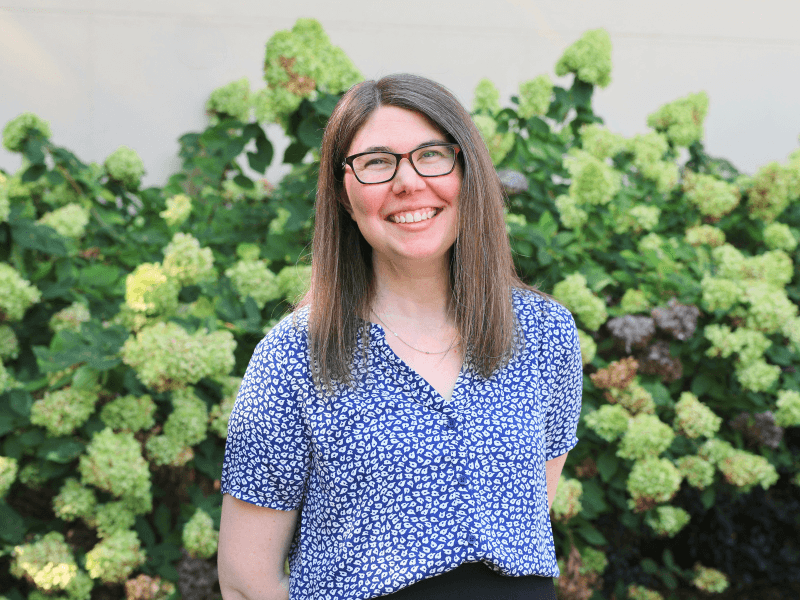
Molly Tucker, Assistant Director of the Center for Leadership in Disability, says that whether she’s partnering with individuals or organizations, her work is always evolving to meet the needs of Georgians with disabilities and their families.

A team of Georgia State University researchers is studying whether techniques from a common form of talk therapy delivered via text message can reduce the risk of suicide among intoxicated heavy drinkers.
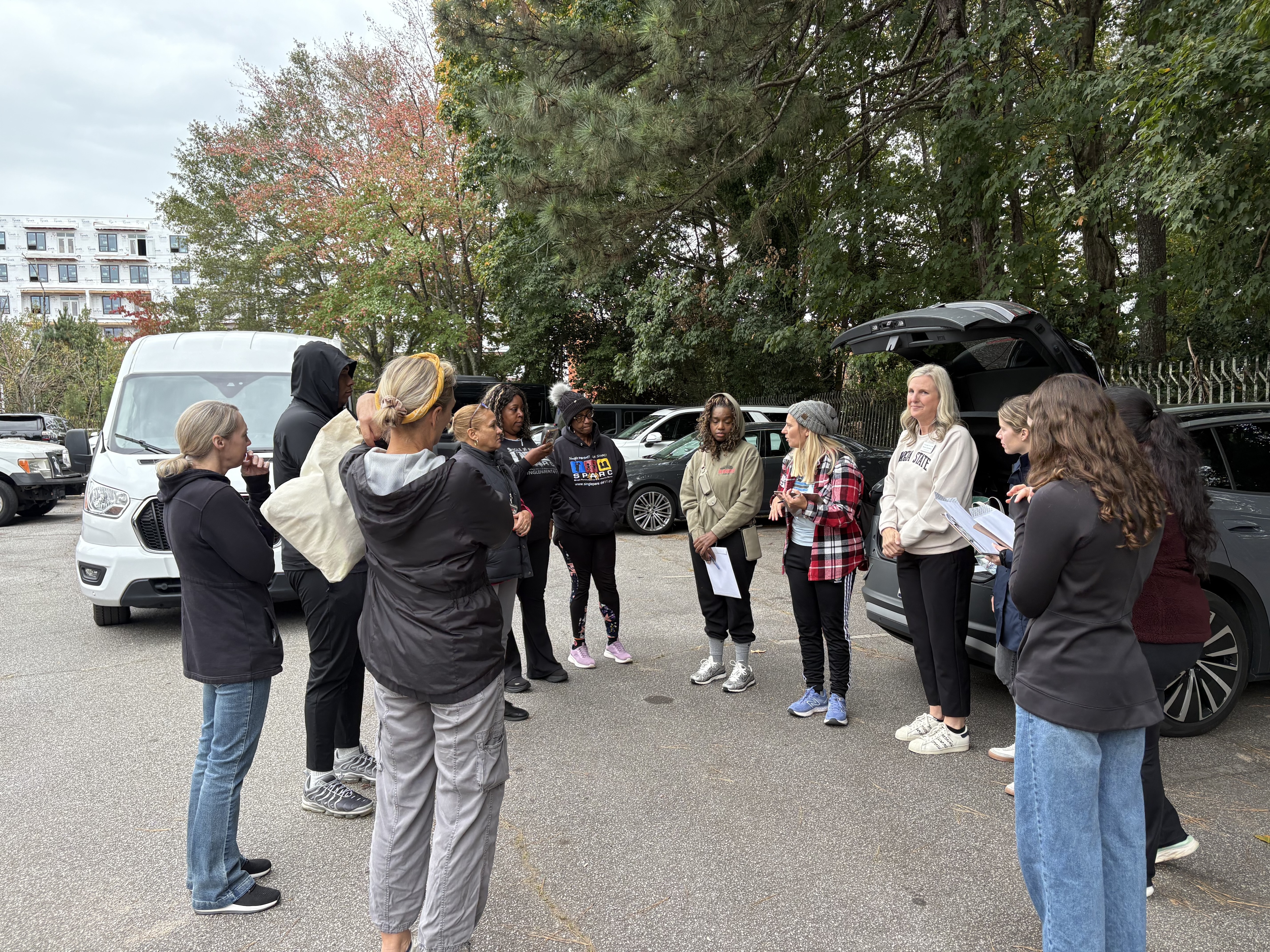
How Georgia State University’s Center on Health and Homelessness is working with community partners to address the health impacts of homelessness.

Ph.D. student Kaleb Whitfield is dedicated to advancing research that supports children, adolescents and families. His work explores how positive father involvement can help prevent childhood violence and trauma while improving long-term health outcomes.
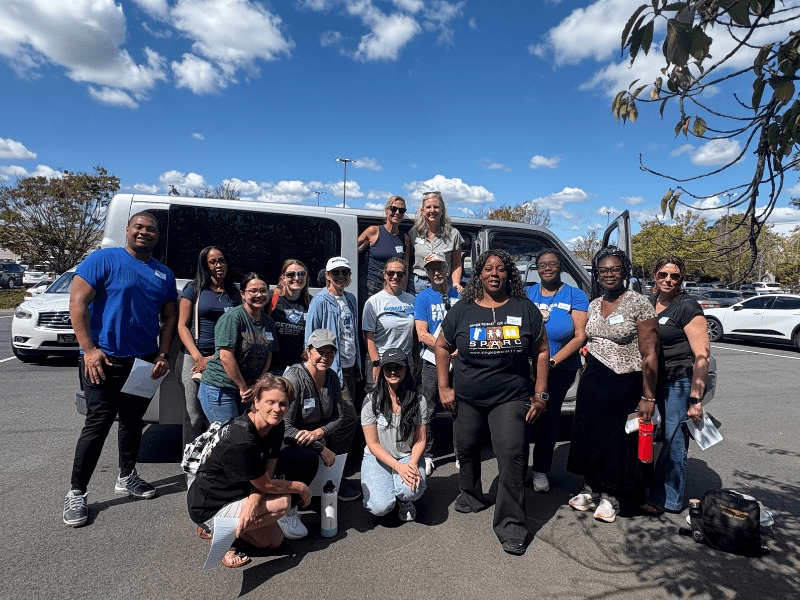
Since its founding in 2024 with a lead gift from the Henson family, the Georgia State University Center on Health and Homelessness has brought faculty, students and community partners together to apply research-based knowledge to the prevention of homelessness and its health consequences.

Hua Hao, Assistant Professor in the Department of Population Health Sciences, strives to create opportunities for students to participate in research, publish their work and develop the skills and confidence needed for their future careers.
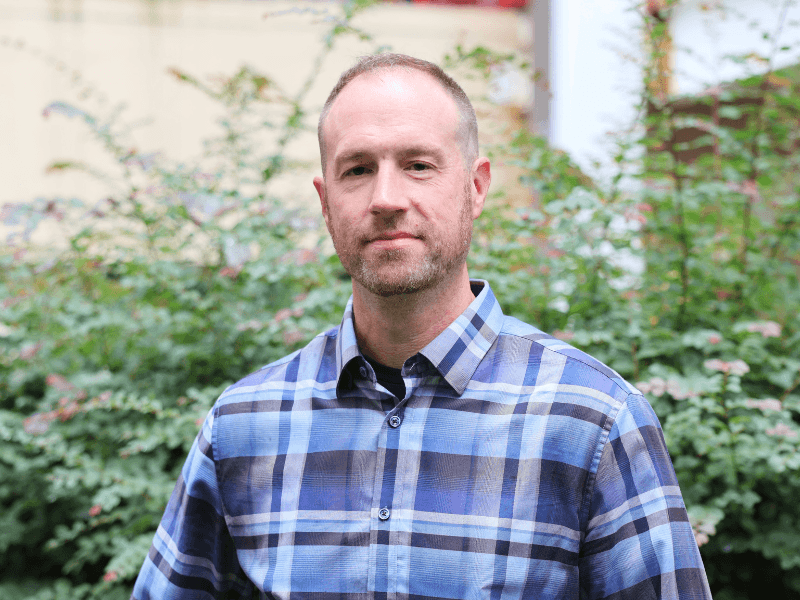
David Cloud, Assistant Professor in the Department of Population Health Sciences, says he was drawn to Georgia State’s School of Public Health by its collaborative, interdisciplinary spirit and its array of centers that bring faculty, students and community partners together.
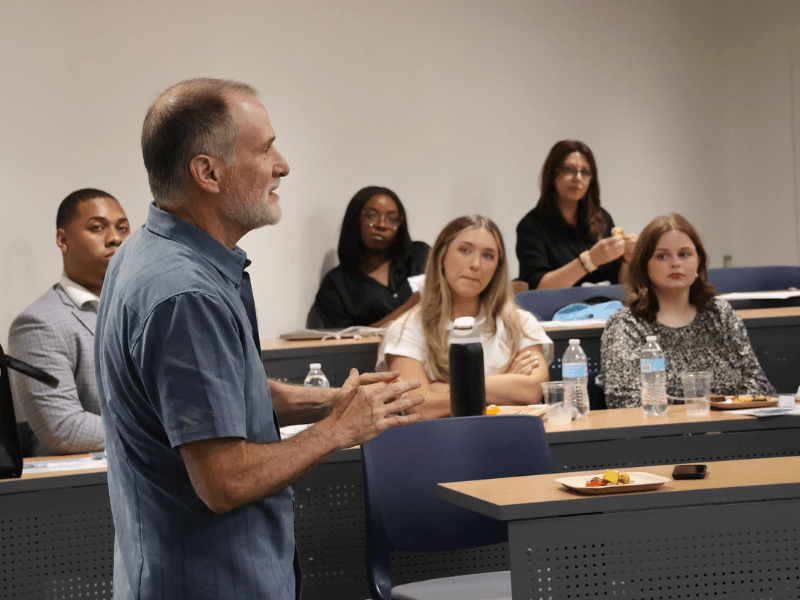
The Georgia State University School of Public Health has launched a multi-year initiative to support teaching and learning with AI.
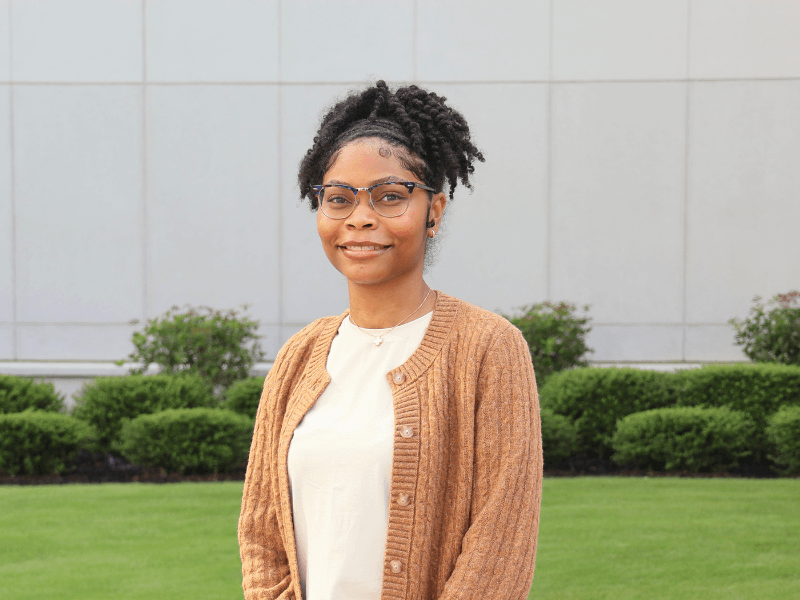
Ph.D. student Danielle Rivers was drawn to the School of Public Health by its research opportunities, its active role in contributing to community health, and the opportunity to collaborate with several cross-disciplinary centers and initiatives through the A-PREVENT T32 Fellowship.

Facilities and Events Specialist Marcus Cooper says that no day in the School of Public Health is ever the same, so what’s important is being adaptable, flexible and resourceful.
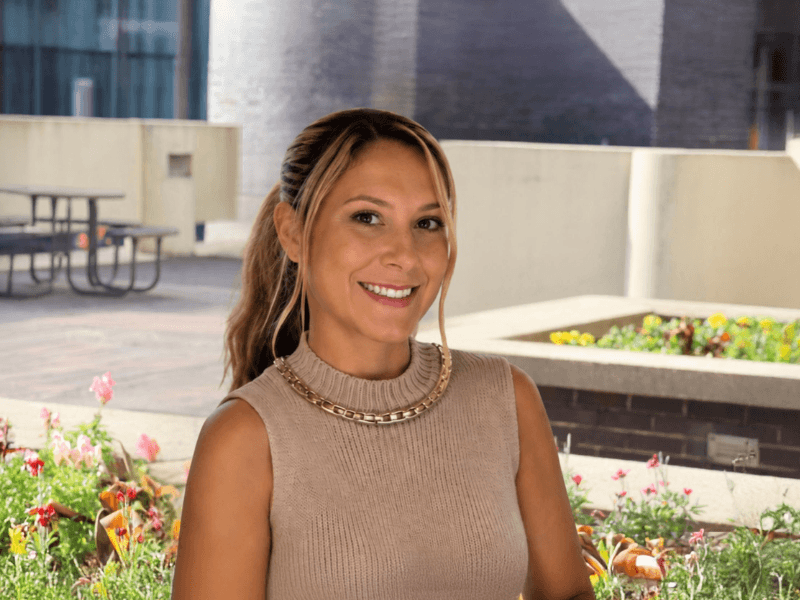
Julianna Capobianco’s research is dedicated to reducing health disparities and enhancing access to preventive healthcare for minority populations. She chose the School of Public Health’s Ph.D. program for its steadfast commitment to health equity, community engagement and interdisciplinary collaboration.
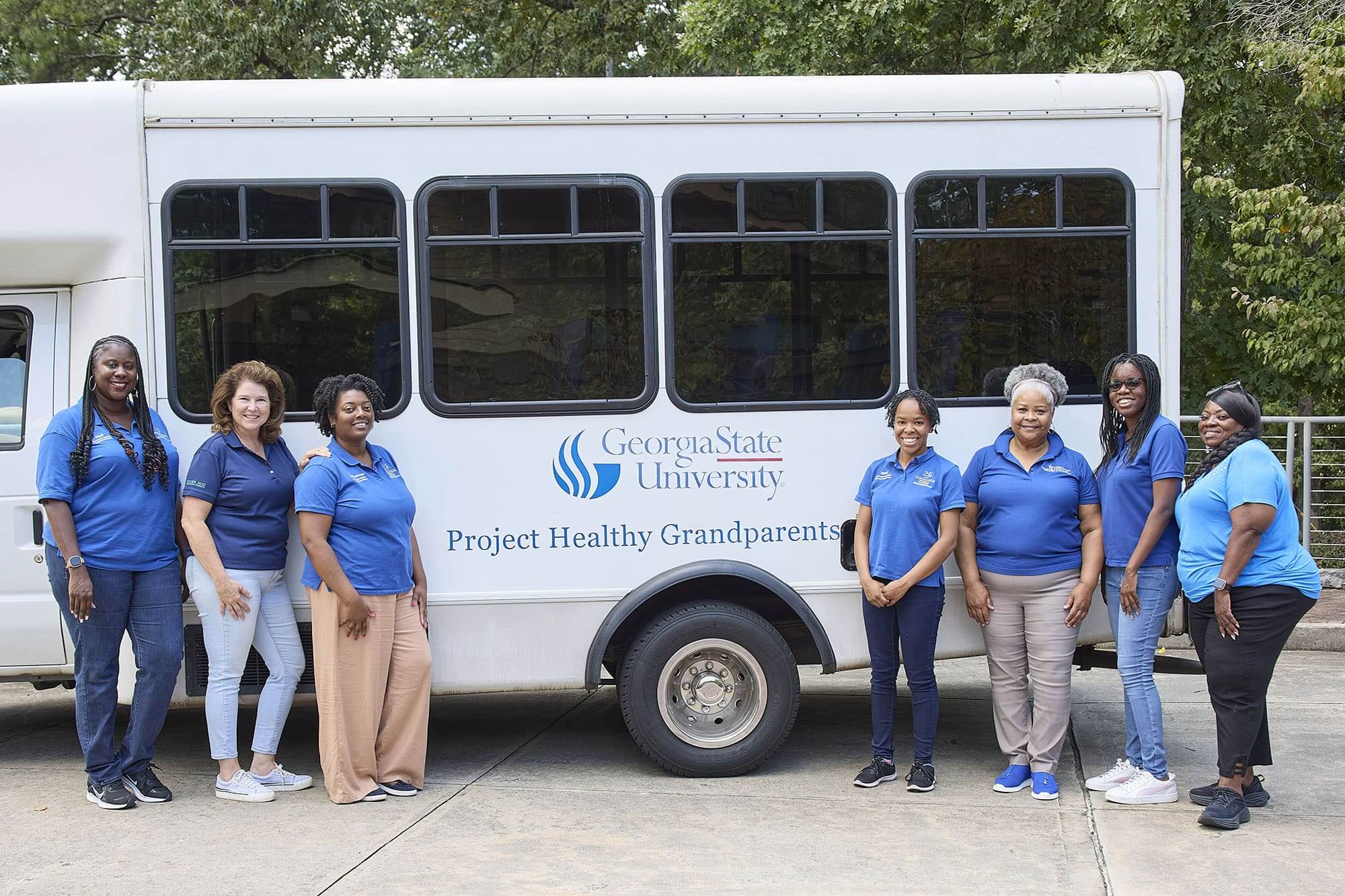
Grants from the Molly Blank Fund of the Arthur M. Blank Family Foundation and from the Fraser-Parker Foundation will help the research-based community program improve the health and well-being of grandparents raising their grandchildren.
Ph.D. student Katherine Reuben chose the School of Public Health to advance her research on autism and child maltreatment through the A-PREVENT T-32 Fellowship Program.

In a study published in the journal Neurology, Associate Professor Jalayne Arias and her co-authors examine the implications of emerging biomarker tests on individuals in the early stages of disease.

New School of Public Health research reveals critical gaps in access to urban sanitation— with implications for cities across the country
With aspirations to pursue a career in family medicine, Aryan Sharma firmly believes that a strong foundation in public health is essential for elevating individual well-being while also helping achieve the broader goal of improving the health of communities.

Taylor Jones (MPH '22) shares her journey of how obtaining a strong foundation in public health shaped her path to medical school.

Ashmita Baral Yuna chose Georgia State for its commitment to real-world public health solutions. She says the emphasis of the MPH program on community-based work and applied research encourages students to learn directly from the people and settings that public health is meant to serve.
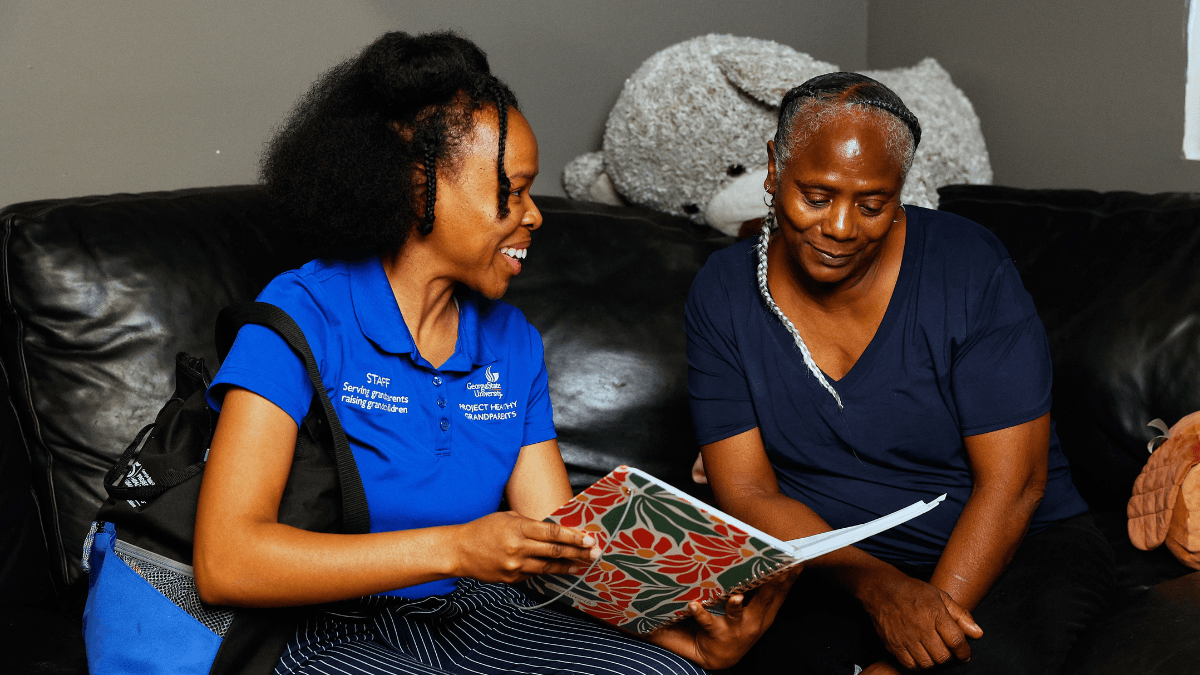
From preventing child abuse to connecting with communities through initiatives like Project Healthy Grandparents, the GSU School of Public Health is committed to improving health across the lifespan.

Jasmine Cunningham is harnessing her experience in the DrPH program to amplify her impact in her career. By strengthening her skills in systems thinking, evidence-based decision-making and cross-sector collaboration, she’s improving outcomes for families, youths and veterans.
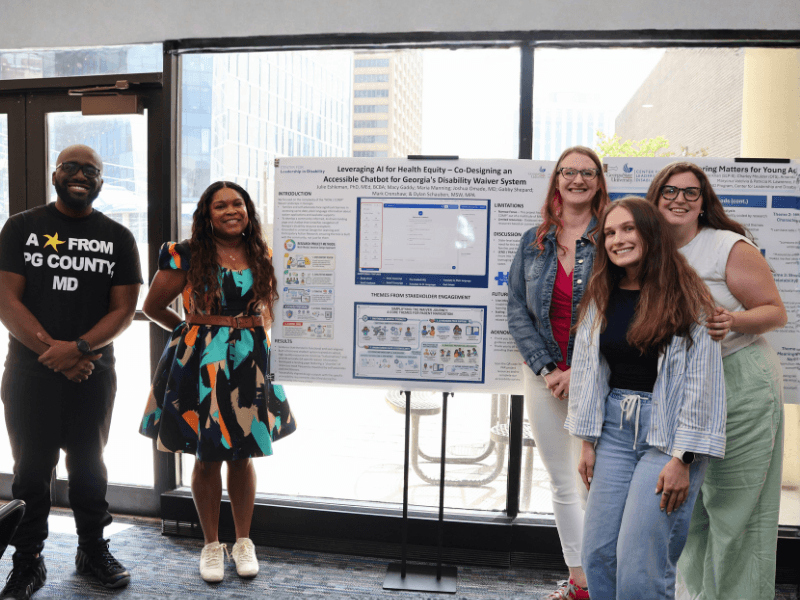
Since its launch, GaLEND has empowered more than 300 professionals in maternal and child health to lead in neurodevelopmental disabilities.

Sivgech Heang is set on a path to reshape global health by using data to empower communities to combat future health threats.

Nine faculty members, staff, students and recent alumni of Georgia State University will be traveling abroad over the next 18 months thanks to the Fulbright academic exchange program.

A team of Georgia State University researchers is calling for digital platforms to implement stronger safety measures in response to a new study that highlights widespread online child sexual abuse.
As a Graduate Research Assistant in Associate Professor Ashli Owen-Smith's Adopt a School Project, MPH student Laura Valentina Davis is dedicated to crafting impactful public health interventions to prevent mental illness among youths in vulnerable communities.
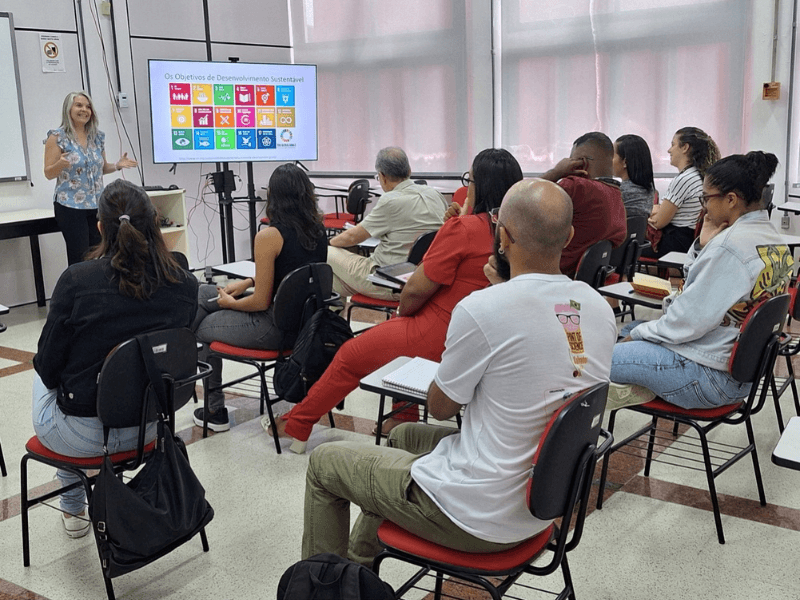
Stauber will build on her longstanding environmental health collaborations with researchers in Brazil through a Fulbright U.S. Scholar Award from the U.S. Department of State.

At Georgia State University’s School of Public Health, the online Master of Public Health (MPH) program is designed to give students the flexibility to advance their education, practical skills and real-world experiences for a meaningful future in public health.
Denice Wade says she chose the School of Public Health’s DrPH program because of its outstanding reputation for producing leaders who are equipped to tackle pressing challenges in the field of public health.
Hayley Hamilton (MPH '17) found her path in public health while searching for a career that aligned with both her interests and values.

Driven by a passion to uplift communities, Erica Parham chose the School of Public Health to serve and to learn. Through her internship with the Atlanta Autism Center, she developed a caregiver resource guide and created an autism 101 orientation guide for newly diagnosed families.

Applied Practice Experience Coordinator Colleen H. Byrd connects students to impactful public health experiences and networking opportunities.
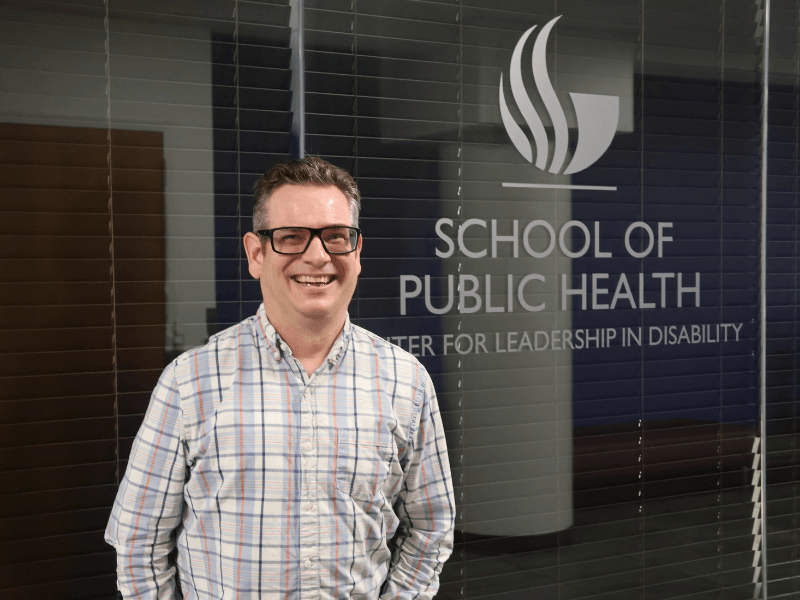
Mark Crenshaw, Assistant Director at Georgia State University’s Center for Leadership in Disability, received the Bobby Dodd Institute's 2026 Luminary Award.

Armenda Bialas (MPH '24) transformed her uncertainty into impact in public health, turning challenges into opportunities for change.
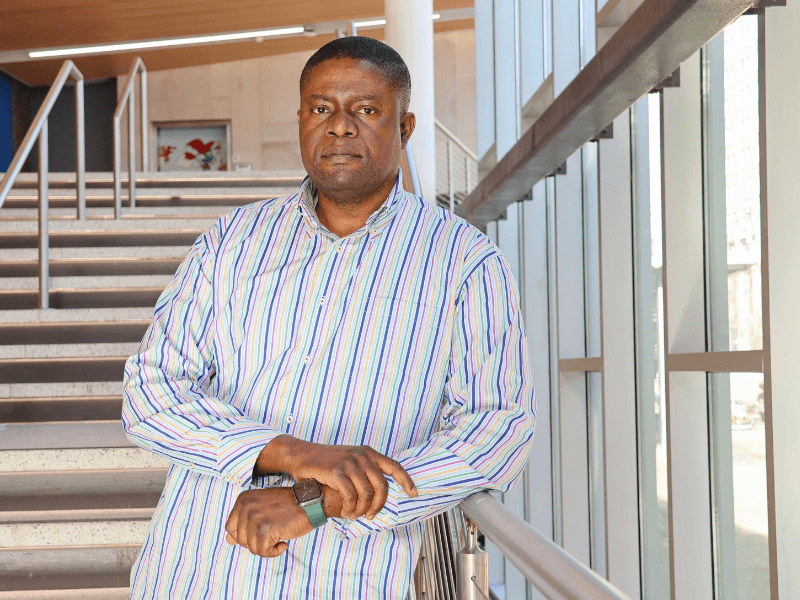
Ademola Adeyemi is pursuing an MPH in Health Management and Policy to help to solve real human health challenges in communities, with a particular focus on the health of populations dealing with serious mental illnesses.

Georgia State School of Public Health Among Nation’s Best in Latest U.S. News & World Report Ranking
The Georgia State University School of Public Health continues to be recognized for its combination of excellence, affordability and impact in the latest U.S. News & World Report ranking for Best Public Health Schools.

A new study conducted by researchers at Georgia State University, the Childlight Global Child Safety Institute, Together for Girls and 12 additional organizations has found that one in five women and one in six men worldwide experienced sexual violence as children.
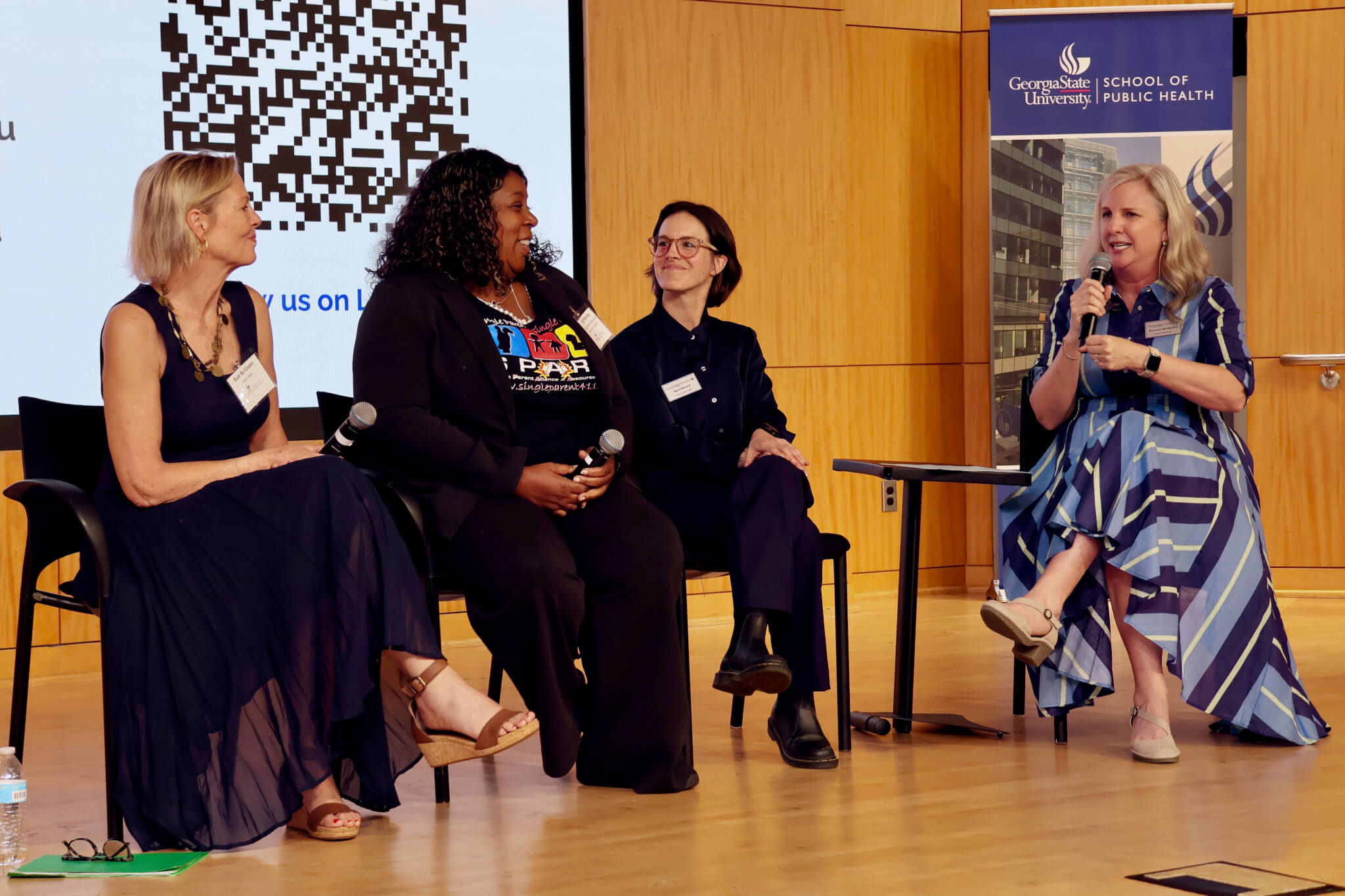
The 2026 Kreuter Katz Lecture and Public Health Research Symposium brought nearly 200 people to Georgia State University to share research-based knowledge with the goal of improving health for all.
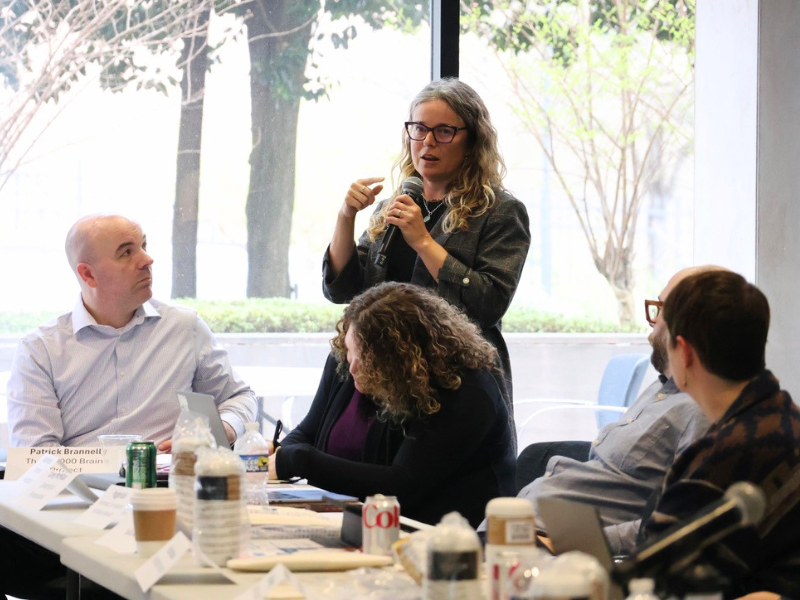
Researchers and participants enrolled in research studies focused on neurodegenerative diseases such as Alzheimer’s disease gathered at Georgia State University for a scientific retreat to advance ethical data and sample sharing practices and accelerate scientific advancements.

The Georgia State University School of Public Health recently honored the academic accomplishments of its students at the fourth annual Celebrating Student Excellence Ceremony.
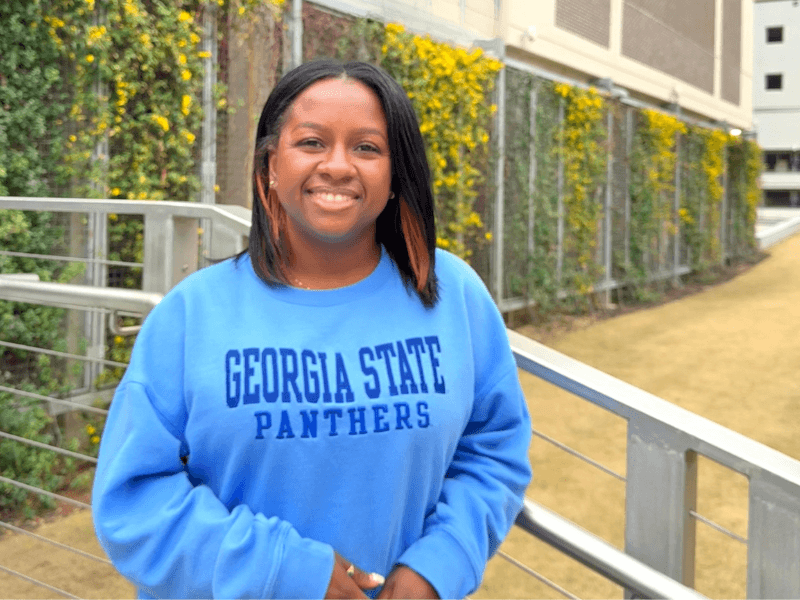
Stacey Binford is a dedicated online MPH student and proud member of the School of Public Health's Student Council. She chose the School of Public Health for its flexibility, enabling her to excel in her full-time career while pursuing her passion for public health.

Massetti joined the School of Public Health in 2025 and is one of the nation’s leading scholars on the global epidemiology of violence and its association with chronic and infectious disease.

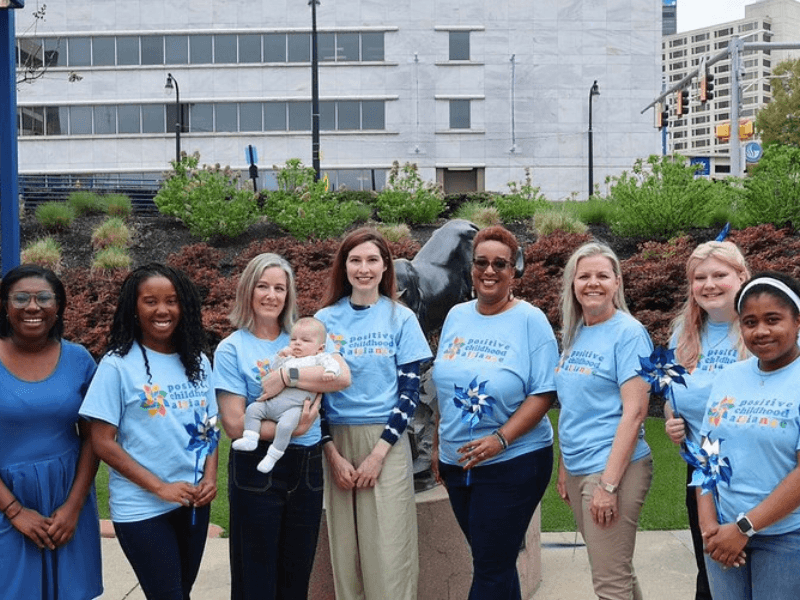
Kimberly Stewart-Lucas, Training and Resource Coordinator at Positive Childhood Alliance Georgia, takes great pride in serving as a bridge that helps people, organizations and resources come together to strengthen families and communities across the state.
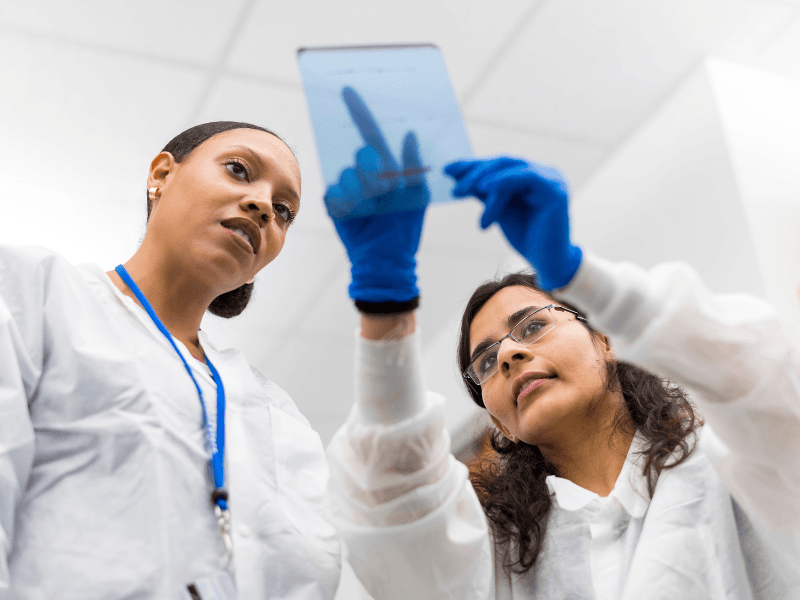
Researchers from academia, federal agencies and national organizations, and participants enrolled in research studies focused on neurodegenerative diseases such as Alzheimer’s disease will gather at Georgia State University for a scientific retreat.

Tamilore Adeniji says she chose to major in public health after realizing that lasting change comes from studying entire communities and implementing data-driven strategies that address the root causes of disease.

MPH student Sarabeth Brown is gaining hands-on research experience working alongside School of Public Health faculty while also sharpening her policy and cross-cultural communication skills through a Graduate Certificate in Global Health.
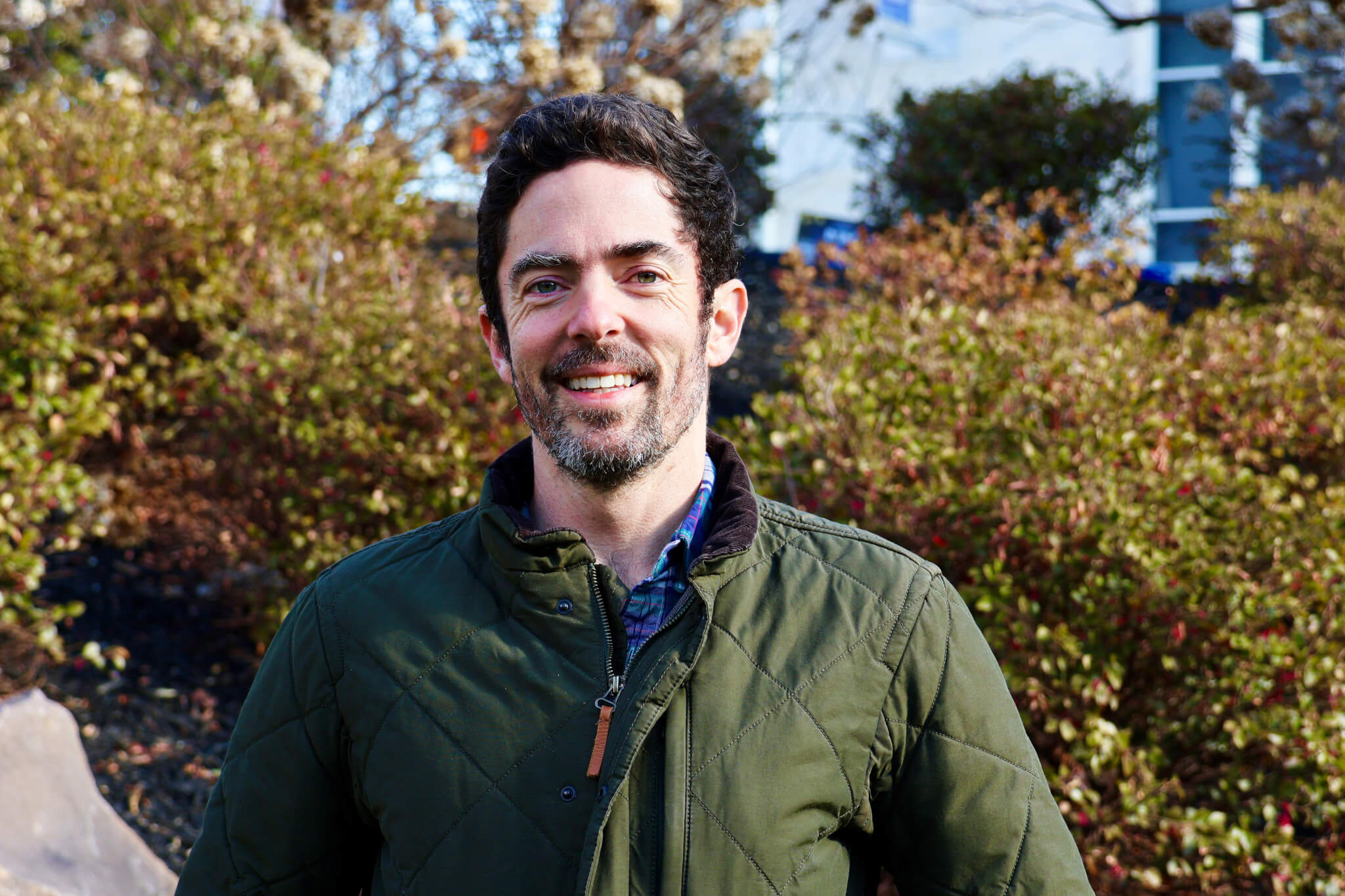
Roddey Jones, Assistant Director of Policy and Partnerships and Senior Project Manager and Training Specialist at the National SafeCare Training and Research Center, says that ensuring young children have a nurturing, safe and healthy home environment is work that he believes in, and that he gets to see the impact every day.

The Georgia State University School of Public Health’s Board of Advisors recently gathered at The Task Force for Global Health to hear firsthand how the organization, which includes several of the school’s alumni and students, is working to eliminate diseases and protect populations in 140 countries.

Georgia State University School of Public Health faculty, staff, students and community members will gather on March 31 for a research symposium named in honor of two of the school’s most dedicated supporters, Marshall Kreuter and Martha Katz.

Lupe Berretta chose the School of Public Health’s DrPH program for its focus on applied leadership and systems thinking. She says the program is honing her skills to tackle real-world challenges to make impactful changes in public health.

Nancy Devino, Director of the Office of Research and Sponsored Projects in the School of Public Health, says she enjoys interacting with faculty and staff to help fund projects they’re passionate about.

With a background in nursing, MPH student Nyota Edjidjimo is on a mission to transform public health by bridging the gap between patient care and community prevention. She aims to ensure that individuals and communities have the resources and support they need to thrive.

Price (DrPH '24) was recently named to the de Beaumont Foundation’s 40 Under 40 in Public Health, a national honor that recognizes leaders whose creativity and innovation strengthen communities.

BSPH student Sandrine Tolgou says the Population Health Sciences concentration is honing her research and analytical skills while preparing her for a career focused on improving global child health outcomes.

Three nationally recognized scholars will share their insights with the Georgia State University School of Public Health community as part of the Spring 2026 Grand Rounds Lecture Series.

A new report from the Georgia State University Center on Health and Homelessness finds that extended-stay hotels are serving as a shelter of last resort for more than 4,600 people in DeKalb County, including 2,004 households and 1,635 children.

An international team of researchers co-led by Professor of Environmental Health Christine Stauber of the Georgia State University School of Public Health is empowering residents of low-income communities to improve sanitation in their neighborhoods through an innovative mobile app.

With aspirations to pursue a career in medicine, BSPH student Laitsa Jean chose to major in public health to broaden her perspective from solely treating future patients to also exploring options to prevent disease and understand the “how” and “why” of health outcomes.

Nyla Flowers, a Ph.D. student in the School of Public Health’s A-PREVENT training program, says GSU’s faculty and emphasis on community-based research have provided the perfect setting for her research and development
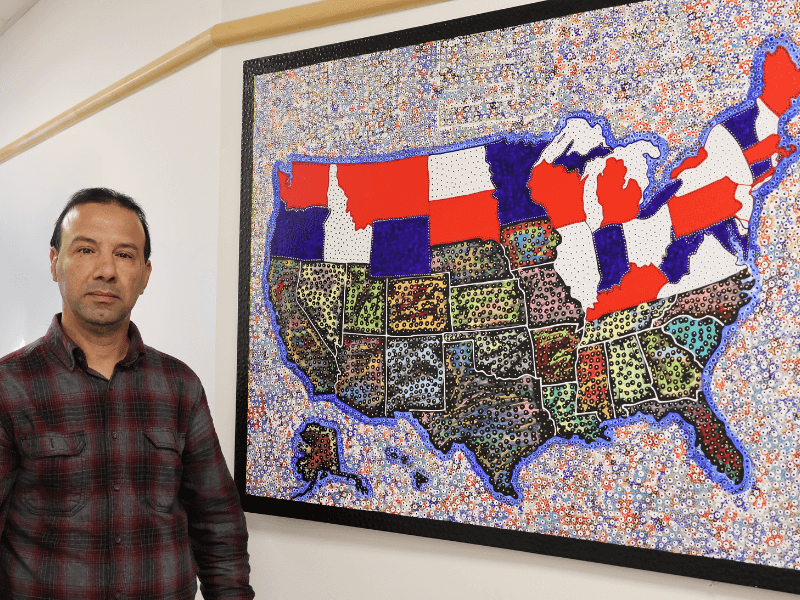
Karim Berra, Lead PC Systems Specialist in the School of Public Health, says that what he is most proud of in his work is seeing how his efforts directly help others succeed.

Aspen Humes (MPH ’25) discovered her path to public health during one of the most challenging moments in recent history—the COVID-19 pandemic.

Jake Witherbee emphasizes the transformative power of connections in public health and how the DrPH program is empowering him to look beyond the lab, enhancing his critical and strategic thinking skills.
Four prominent Atlanta leaders with expertise in public health, law and health care have joined the Board of Advisors of the Georgia State University School of Public Health.

Madison Murphy, Project Coordinator in the Department of Health Policy and Behavioral Sciences, says that although the projects she works on address a range of health outcomes and issues across different populations, they all share a strong foundation in community engagement.

Thamu Naw, President of the Undergraduate Public Health Club, says her experiences working at a refugee clinic and at a nonprofit organization showed her how public health can transform individual lives and entire communities.

Natasha Malmin, an assistant professor in the Georgia State University School of Public Health, was one of 14 scientists nationwide awarded an Early Career Research Fellowship from the Gulf Research Program of the National Academies of Sciences, Engineering and Medicine.

A new study led by researchers at Georgia State University seeks to better understand the roles that alcohol misuse and peer influences play in the perpetration of sexual assault among Marines.
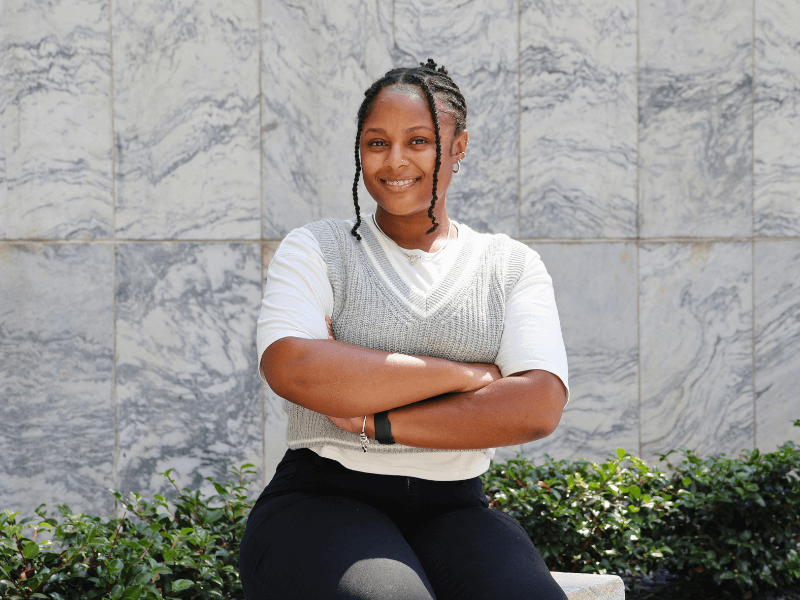
MPH student Alicia Daubon chose the Environmental Health concentration because of her commitment to uncovering the intricate ways the environment affects health, particularly for underserved communities.

Researchers at Georgia State University are confronting some of the world’s most formidable viral threats.

Clinical Associate Professor Elizabeth Armstrong-Mensah has been named one of Africa’s 100 Most Influential Women in Academia and will be recognized at an international conference in Kigali, Rwanda.

Nancy Andrade, the recipient of the school’s 2025 Doctor of Public Health Achievement Award, says the DrPH program has enriched her knowledge and skills across key areas, including epidemiology, research methods and more.

Daniel D. Driffin has focused much of his career at the intersection of advocacy and assisting communities impacted by HIV. He said he was drawn to Atlanta and Georgia State’s Doctor of Public Health (DrPH) program by the opportunity to develop the kind of population-level solutions that can change lives for the better.

Gina Sample, who joined the School of Public Health in 2013 and was previously Director of Academic Effectiveness and Student Success, has been named Assistant Dean for Academic Effectiveness and Student Success.

In honor of Michael P. Eriksen's retirement, the School of Public Health is raising funds to create an endowment for the Michael P. Eriksen Scholarship, which will support graduate students with an interest in tobacco control, health behavior and policy.
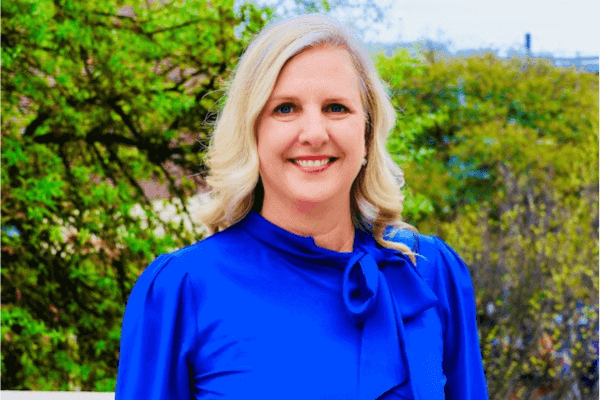
Shannon Self-Brown, a Distinguished University Professor who has held several leadership positions within the Georgia State University School of Public Health, has been named Associate Dean for Academic Affairs.
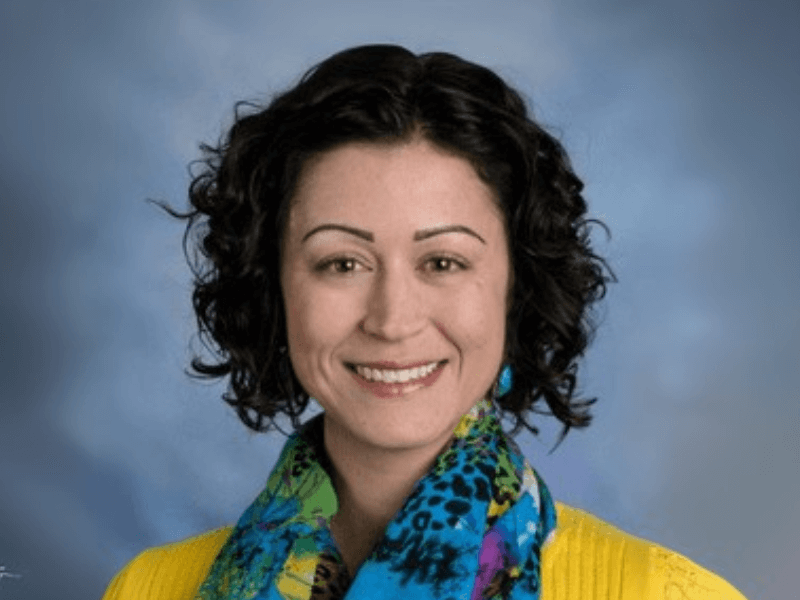
Ashli Owen-Smith, a behavioral scientist who has led several community based research projects, has been named Chair of the Department of Health Policy and Behavioral Sciences at the School of Public Health.
Greta Massetti, one of the nation’s leading scholars on the global epidemiology of violence and its association with infectious disease, has joined the Georgia State University School of Public Health as Professor and Chair of the Department of Population Health Sciences.
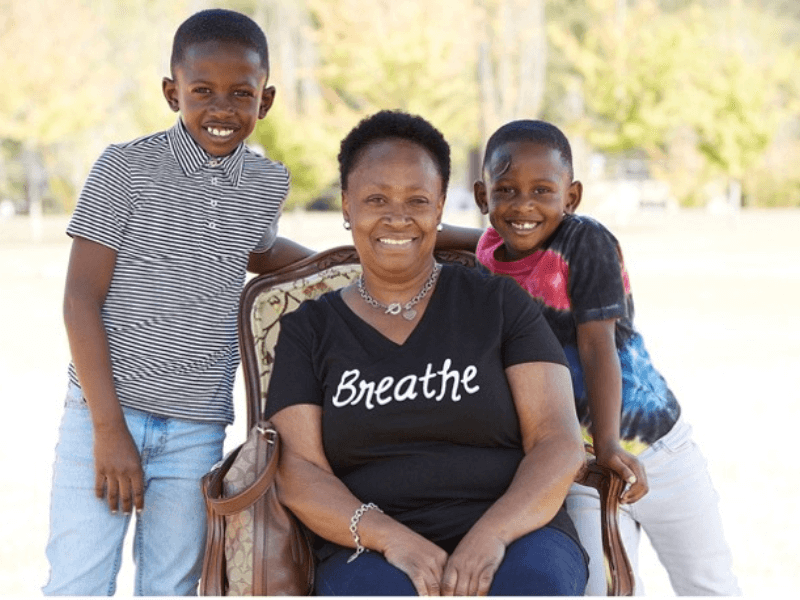
Project Healthy Grandparents, a research-based program at Georgia State University that provides services to grandparents and the grandchildren they raise, has a new home within the Mark Chaffin Centers for Healthy Development.

MPH student Lindsay Hall chose the Biostatistics concentration to harness her engineering background. With a passion for math and science, she’s embraced the power of statistics in shaping health outcomes.

Melissa Osborne earned both her MPH and Ph.D. at Georgia State where she gained hands-on experiences that have shaped her career as an educator and researcher.
MPH student Sivgech Heang chose the SPH’s 4+1 BS/MPH program to seamlessly transition from her undergraduate degree to a master’s in public health. The program has empowered her to hone essential skills and contribute to impactful public health projects.

A new study led by Georgia State University researchers has found that more than 84 percent of youth and young adults who use e-cigarettes have modified their device, often in potentially dangerous ways.

Mariah Bridges Varner chose GSU’s MPH program not just for its academic rigor, but also for hands-on opportunities to work directly with community members and organizations.

Ph.D. student Manderley Recinos conducts research with two broad goals: to improve the lives of children who have been exposed to trauma or maltreatment and to prevent exposure for children who have not had these experiences.

Online MPH student Brianna Harris chose to concentrate in Health Promotion and Behavior for its impactful curriculum and the chance to engage in innovative research as a Graduate Research Assistant.

As a Graduate Research Assistant in Associate Professor Claire Spears' Mindful Living Lab, MPH student Brittany Kelley is on a mission to harness the power of data to address critical health issues.

At Georgia State, Andrew Williamson (BSPH '22) discovered how mental and community health intersect, shaping his interests into a fulfilling career.

A recently endowed need-based scholarship at the Georgia State University School of Public Health will help honor the legacy of a staff member who devoted her career to helping students achieve their academic goals.

Postdoctoral researcher Catherine Scipion receives the Alzheimer’s Association International Research Grant to study Alzheimer’s disease in the Caribbean.

Through a new Graduate Certificate in Global Health, the Georgia State University School of Public Health is leveraging the expertise of its faculty and its location in the heart of Atlanta to prepare students to make a difference in the lives of people around the world.

School of Public Health graduate Gabe Argueta used the connections he developed to find an internship and fulfilling
career, and now he’s using what he’s learned to help current students.

Nearly 200 faculty, staff, students, alumni and community members gathered at Georgia State University for a full-day research symposium named in honor of two of the School of Public Health’s most dedicated supporters, Marshall Kreuter and Martha Katz.

Isley Burgos chose the SPH's online MPH program for its perfect blend of flexibility and quality. She says the online program allows her to seamlessly balance work and family commitments while pursuing her passion for public health.
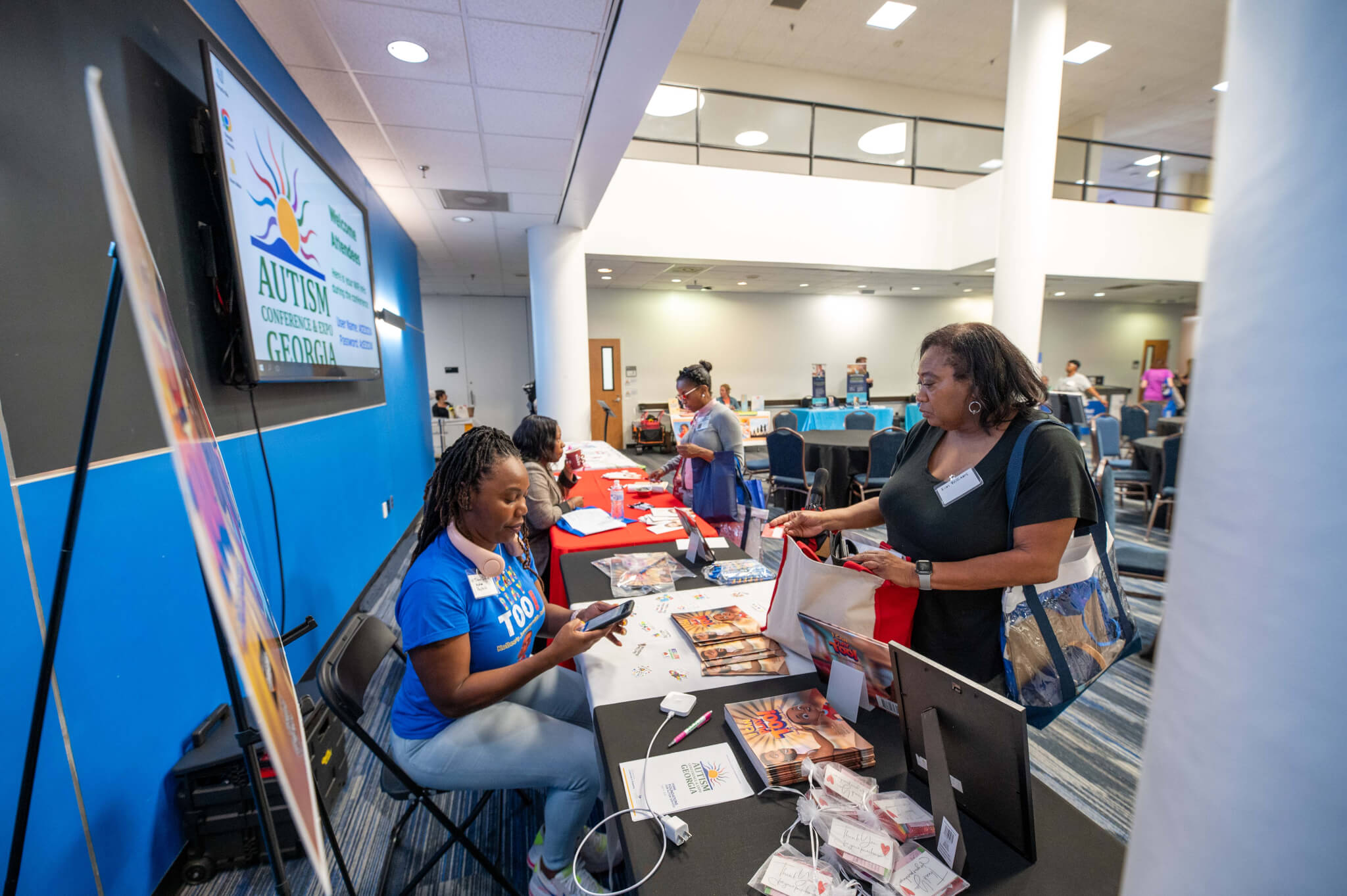
The Center for Leadership in Disability, housed within the SPH, will hold the annual Autism Conference and Expo of Georgia on May 28.

The Georgia State University School of Public Health celebrated outstanding students and the role that private support from Dean’s Society members and other donors plays in transforming their lives at the 2025 Celebrating Student Excellence Ceremony.

The Georgia State University School of Public Health has moved up three positions in the latest U.S. News and World Report ranking of Best Public Health Schools.
Evalye Alexander, career services manager in the Georgia State University School of Public Health, has found that a public health education provides skills that prepare students for a variety of careers in a range of industries.

MPH student Kayla Osmon chose to concentrate in Health Promotion and Behavior for its holistic approach to promoting community health and its online accessibility. As an intern with GSU’s Prevention Research Center, she is working to improve mental health and chronic disease prevention for refugee, immigrant and migrant populations.

This April, Positive Child Alliance Georgia, formerly known as Prevent Child Abuse Georgia, and Prevent Child Abuse America (PCA America) unite for National Child Abuse Prevention (CAP) Month, championing the theme: “Powered by Hope, Strengthened by Prevention.”

A new travel fund is expanding opportunities for Georgia State University School of Public Health students to share their research findings at national conferences.

With a passion for research and teaching, MPH student Larry Mason Jr. aspires to a career in academia that supports impactful nonprofit initiatives.

"Led by You: Discovering Your Leadership Style and More" is an Honors Seminar that focuses on leadership.

Akilah Thomas, Assistant Director of International Initiatives and Senior Training Specialist at the National SafeCare Training and Research Center, works with agencies around the globe to help families strengthen their parenting skills.


Malaysia Allen says enrolling in the SPH’s 4+1 BS/MPH program made her transition from undergraduate to graduate school seamless. She’s currently enrolled in the online Health Promotion and Behavior MPH concentration and is passionate about addressing disparities in maternal care.

The Ghana study abroad program led by Elizabeth Armstrong-Mensah, Clinical Associate Professor in the Georgia State University School of Public Health, has received an international honor.

Associate Professor Amanda Gilmore has been named the 2025 recipient of the Association of Schools and Programs of Public Health Early Career Research Award.

Ph.D. student Bre Edison says that School of Public Health faculty have made her feel supported and valued while facilitating a journey that has empowered her to grow as a researcher. She was recently recognized as a member of the Journal of Adolescent Health’s “Distinguished Dozen” for her research-based contributions to adolescent and young adult health.

Muna Deka chose to major in public health to merge her passion for helping others with her interest in healthcare and learning about diverse global populations.

The Georgia State University School of Public Health has launched a new digital platform to connect students and alumni with internships, applied practice experiences and career opportunities.

The Atlanta Business Chronicle’s annual Health Care Champion Awards recognize the industry’s most innovative and influential leaders.

Driven by a passion for data and health, MPH student Arielle Doobay is diving into the world of Epidemiology to deepen her understanding of the mathematical and analytical aspects of public health.

Meredith Dixon, who recently joined the SPH as a Clinical Assistant Professor in the Department of Population Health Sciences, seeks to create a learning environment where students feel empowered to ask questions, engage with the material and develop the skills necessary to become effective public health professionals.

A new study from researchers at the Georgia State University School of Public Health and the Childlight Global Child Safety Institute estimates that one in 12 children worldwide have been subjected to online child sexual exploitation or abuse.

A new study led by a Georgia State University researcher finds that the opioid epidemic and rural homelessness are exacerbating each other with devastating consequences.

Nneka Odimgbe, a MPH student in the Epidemiology concentration, is passionate about understanding how diseases emerge and spread, and how those patterns can be analyzed to protect communities.

The Prevention Research Center at Georgia State is focused on identifying solutions for a growing health threat in the U.S. — social isolation.

Senior HR Coordinator Nicole Woolfolk says she enjoys the collaborative and supportive work environment in the School of Public Health and the opportunity to work directly with faculty and staff to provide tailored HR solutions that meet their specific needs.

Nurez Madhany’s path to his public health career didn’t begin until he was nearly 20 years into a career in hospitality, managing restaurants and owning a club in Atlanta. But he knew he wanted to do something different, and he knew he wanted to help people.
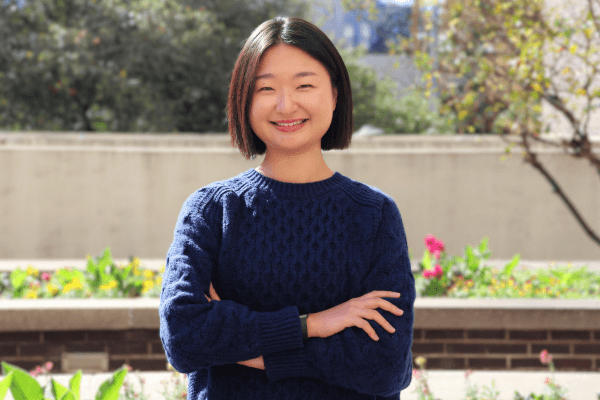
Bachelor of Science in Public Health student Isabelle Na is driven by a passion for data analysis and is determined to uncover health trends and shape evidence-based interventions.

Daniela O’Connell, the Senior Deputy Director at the Public Health Informatics Institute at the Task Force for Global Health in Decatur, is excited and optimistic about artificial intelligence and its potential uses in her field.

The Postdoctoral Mentorship in Global Tobacco Research program connects Master of Public Health students with participants and alumni of the GSU Postdoctoral Fellowship in Global Tobacco Research.

MPH student Najma Dahir says she chose the Epidemiology concentration because one of her goals is to combat health issues facing underserved communities and reduce the disparities they face.

The Georgia Association for Infant Mental Health (GA-AIMH) hosted its 2024 annual conference this month, gathering 215 members of Georgia’s early childhood workforce.
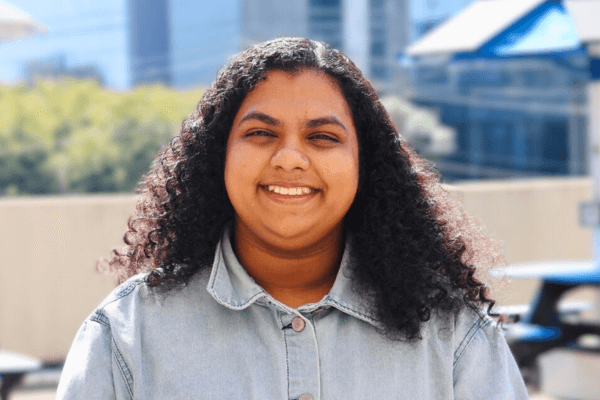
Joeeta Joee, President of the Undergraduate Public Health Club, chose to major in public health to combine her love for STEM and passion for improving the healthcare system

A study funded by the United Nations Children Fund (UNICEF) and authored by Xiangming Fang, a research associate professor in Georgia State's School of Public Health, provides the first estimates of the significant economic burden that child marriage imposes on the people and economy of Nigeria.

Maya Sternberg, an instructor in the Department of Population Health Sciences, says that it’s incredibly inspiring to watch students grow, not only in their academic knowledge but also in their sense of possibility.

Georgia State to Expand Online Master of Public Health Opportunities, Launch New Certificate Program
The Georgia State University School of Public Health is increasing opportunities for students to earn degrees that improve the health and well-being of populations through the launch of several new online Master of Public Health concentrations.

The RISE Success Forum brought together university experts, students and leadership to showcase the power of interdisciplinary collaboration.

iQuit Mindfully, which was developed by a team led by Associate Professor Claire Spears, has been shown to help smokers quit, with up to 35 percent of participants successfully quitting after using the tool, compared to 7 percent for the general population.

Raynell Washington, Assistant Director in the Center for Leadership in Disability and Director of the Georgia Association for Infant Mental Health, says the work that she and her colleagues are dedicated to is far from easy but deeply rewarding.

Lura Daussat says that being close to opportunities that support her goal of becoming a leader in public health practice was one of the factors in relocating her family to Atlanta and then applying to GSU’s DrPH program.

BSPH student Adetayo Adesina credits her study abroad trip to Ghana with providing invaluable hands-on experiences that have shaped her career aspirations.

The Georgia State University School of Public Health has established a Center on Health and Homelessness that will conduct community-based research, provide learning opportunities for students and collaborate with stakeholders in Atlanta.
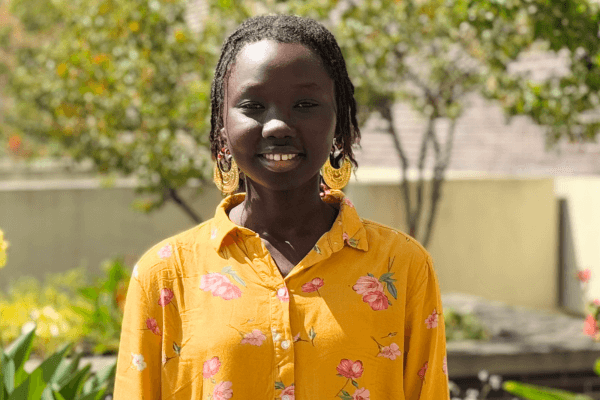
Maysa Osman, Vice-President of the Undergraduate Public Health Club, has a passion for epidemiology and is committed to researching and preventing diseases in underserved populations.

Assistant Professor of Biostatistics Karen Nielsen is developing course materials that will prepare students to ethically and effectively use generative AI in a range of quantitative subjects.

A recent graduate of the DrPH program at the Georgia State University School of Public Health, Bea Salvesen von Essen is focused on bringing data from the U.S. Territories and surrounding islands to studies that currently lack that perspective.

School of Public Health faculty members with exemplary records of teaching, research and service have been named to interim leadership positions.

Ph.D. student Tristin Chipman is part of the inaugural cohort of the A-PREVENT (Alcohol Prevention Research on Violence, Equity and Novel Techniques) training program, which prepares the next generation of scholars to address alcohol misuse and its association with violence.

Jonathan Key, Graduate Advisor in the Office of Academic Assistance, says he is most proud of his work to assist students as they progress through their School of Public Health programs.

MPH student Mia Robinson is a fierce advocate for sickle cell awareness. Her personal journey with the disease inspired her to pursue a career in public health so she can continue to make a difference for underserved communities.

In a study that has broad implications for home visitation programs aimed at the prevention of child abuse and neglect, researchers at the Georgia State University School of Public Health found that parents demonstrated positive outcomes regardless of whether they completed the SafeCare program virtually or in person.

Yu Wang, who recently joined the School of Public Health as a Clinical Assistant Professor in the Department of Population Health Sciences, strives to foster a learning environment in which students feel supported, challenged and motivated to reach their full potential

The Georgia State University School of Public Health has received a five-year, $1.2 million National Institute on Alcohol Abuse and Alcoholism grant to establish a training program for Ph.D. students who are dedicated to the prevention of alcohol misuse and its association with violence.

External funding for research and community engagement projects conducted by the faculty and staff at the Georgia State University School of Public Health rose by nearly 6% in fiscal year 2024, reaching a total of $18.8 million.

Raina Mitchell, Executive Assistant to the Dean, says that she is proud to support the efforts of School of Public Health faculty and staff in creating advocates for public health.
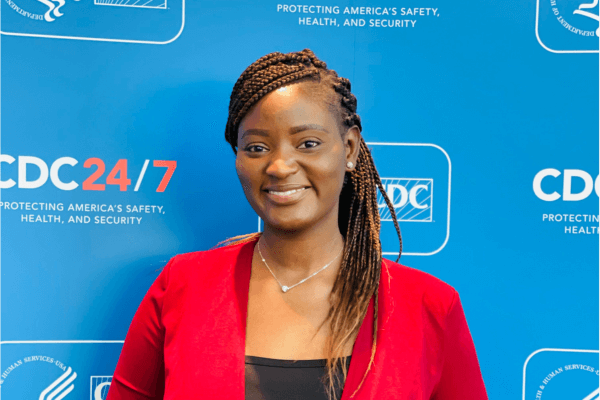
Haddi Sanneh earned her associate degree in health science as well as a bachelor’s degree and a Master of Public Health (MPH) with a concentration in health promotion and behavior from Georgia State University’s School of Public Health.

Erin Vinoski Thomas, interim Director of the CLD and Research Associate Professor in the Department of Health Policy and Behavioral Sciences, has been selected as the inaugural Crimmins and Ramirez Distinguished Scholar.

School of Public Health alumna Kate Guastaferro (MPH ’11, Ph.D. ’16) will kick off the 2024 – 2025 Grand Rounds Lecture Series with a talk titled “Maximizing Impact: Expanding the Reach of Child Maltreatment Prevention Interventions.”

The eight-week EMPOWER summer research program creates hands-on environmental health research experiences for students and teachers from underserved Atlanta high schools.

Dr. Harry J. Heiman, a clinical professor in the Georgia State University School of Public Health, has been appointed to the Georgia Comprehensive Health Coverage Commission.

Shannon Self-Brown, Chair of the Department of Health Policy and Behavioral Sciences at the Georgia State University School of Public Health, has been named Distinguished University Professor.

The appointment of Distinguished University Professor at Georgia State is intended to recognize a sustained and outstanding record in scholarship and instruction, and to provide the impetus for continuing high achievement.

MPH student Valentina Paralitici says the School of Public Health’s Biostatistics concentration helped develop in her a passion for coding and skills that she is using to lay the foundation for an impactful career in public health.

Several Georgia State University School of Public Health students recently returned from an innovative study abroad program that explored the role of storytelling in advancing public health.

The College of Education & Human Development’s health literacy certificate program gives students a more comprehensive understanding of health literacy and how it can be incorporated into their work.

Kennicia Fortson, the recipient of the school’s 2024 Ph.D. in Public Health Achievement Award, has presented her research findings on health inequities among underserved and marginalized populations at national conferences.

With the U.S. Food and Drug Administration considering landmark regulations that would significantly limit the amount of nicotine in cigarettes and ban menthol flavoring, a Georgia State University researcher is proactively developing and testing targeted messages to improve public health.

Kyra Parks (MPH 2022) is a resource management consultant supporting the Centers for Disease Control and Prevention’s Global Health Center. In this role, she helps allocate funding across the global health work there.

Nick Johnson (MPH 2016) co-leads the statistics team serving the Division of Foodborne, Waterborne, and Environmental Diseases at the Centers for Disease Control and Prevention.
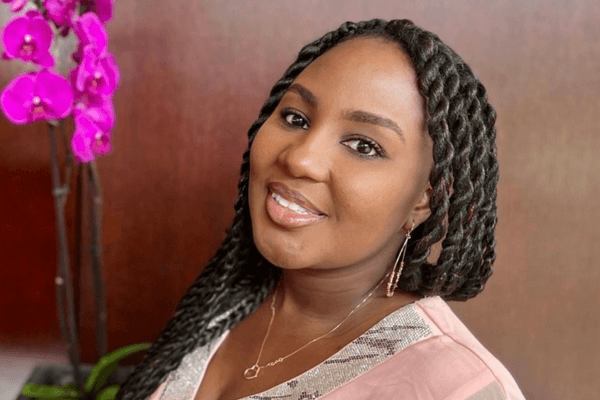
DrPH student Sika Dedo says she has applied the knowledge, skills and tools gained from the program in her work with local and global colleagues and stakeholders as they respond to the HIV/AIDS epidemic.

Two Georgia State University School of Public Health faculty members have received funding through a new grants program that will expand the scope and impact of their global partnerships.

The Georgia State University School of Public Health recently honored the academic accomplishments of its students and the role that private support from Dean’s Society members and other donors plays in transforming their lives at its second annual Celebrating Student Excellence Ceremony.
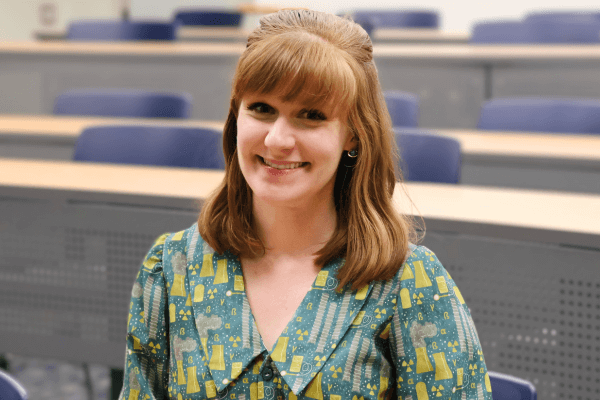
An innovative training board game for radiation safety that DrPH student Lauren Finklea designed as an in-class project has gone on to win an award, become a CDC product and inspire a training for congressional staff that she developed.
Three Georgia State University School of Public Health alumni have been selected for the 2024 class of the Presidential Management Fellows program.

Childhood verbal abuse by adults costs society an estimated $300 billion a year globally, according to a new study by a Georgia State University researcher presented at the first international conference on childhood verbal abuse

A new study led by a Georgia State University researcher underscores potential barriers to sharing data related to a relatively rare form of dementia known as frontotemporal lobar degeneration (FTLD).

Jaisha White chose to pursue a bachelor’s degree in public health because she wanted to invest her time into learning more about the health of populations and the factors that influence the health of individuals. After graduation, she aspires to improve maternal health for underserved populations.

Representatives from PCA Georgia, which is housed in the Georgia State University School of Public Health, the Georgia Division of Family and Children Services Prevention and Community Support Section, the Georgia Essentials for Childhood initiative, and local PCA Georgia councils gathered for a photo with Gov. Brian Kemp.

Erin Weeks, Senior Research Associate in the Mark Chaffin Centers for Healthy Development, has worked on several research projects and says she has learned something new each time.

An online program developed by researchers at Georgia State University and the Oregon Research Institute that has been shown to decrease symptoms of depression among mothers of young children and increase the use of positive parenting practices is being disseminated in Early Head Start programs throughout the country.

Trees and bushes planted near highways do more than improve the scenery. A new Georgia State study finds they significantly reduce the air pollution caused by motor vehicles.
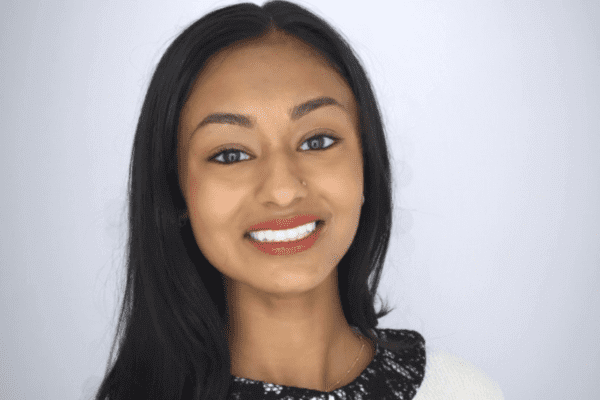
Sangeeta Persaud says she’s pursuing a bachelor’s degree in public health because she has a passion to make an impact on the lives of others and to promote health at a community level.
April is National Child Abuse Prevention (CAP) Month, a time when Prevent Child Abuse America and Prevent Child Abuse Georgia connect with families, communities, prevention advocates and supporters to focus on the creation of an ecosystem of primary prevention in the U.S. and emphasize the importance of building a narrative of hope for the future of children and families.

MPH student Aspen Humes says the School of Public Health is equipping her with the tools she needs to achieve her goals of dismantling health disparities and championing equitable health solutions for the underserved.

School of Public Health faculty are partnering with colleagues across campus to create new learning opportunities for students while also advancing interdisciplinary research.

The College of Education & Human Development's Adult Literacy Research Center hosted its first mini conference to bring together affiliate faculty and students from across campus to share their research projects and network.

Aaliya Burke, who is enrolled in the SPH’s 4+1 BS/MPH program, has a passion for learning about health equity and disparities and for finding ways to close those gaps through the use of new laws and policies, as well as the management of programs and healthcare facilities.

Katy Spinks, Grants and Contracts Coordinator in the Mark Chaffin Center for Healthy Development, says she has always loved the supportive, fun and warm environment in the MCCHD and the SPH as a whole.

Lessons learned from decades of domestic and international research on tobacco warning labels can inform better policies for all three substances, according to Lucy Popova, associate professor in the Department of Health Policy and Behavioral Sciences.

A new study that provides details on out-of-pocket expenses for people with dementia finds that costs for long-term care create a financial burden that can easily consume nearly all their income.

The trainings will help prepare clinicians across the state to better support the mental health needs of young children and families.

Hermela Shimendi says she’s always looking for ways to get involved, and she’s found plenty of opportunities at Georgia State, including the Undergraduate Public Health Club, Ethiopian-Eritrean Student Association and working with GSU’s TRIO Upward Bound program.

Georgia State’s 40 Under 40 program annually celebrates the most influential and accomplished Georgia State graduates who embody the values of the university.

A new study led by a researcher in the Georgia State University School of Public Health finds that people who receive coupons for e-cigarettes are more than 1.5 times more likely to begin using them and less likely to quit.

International Ph.D. student Grace Lin had a world of choices for her academic journey. She says she was drawn to the Georgia State School of Public Health by its research and academic reputation, as well as the opportunity to collaborate with local and state agencies on environmental health projects.

Camille Kordas, Research Coordinator in the Department of Population Health Sciences, says the most rewarding part of her job is helping lead programs and research that are focused on the prevention of sexual violence.

Joshua Laurent chose to major in public health because he wants to find solutions to health problems that affect people of different backgrounds. After graduation, he plans to pursue a career in global health.

Rodney Lyn, Professor and Dean of the GSU School of Public Health, has been elected to the Board of Directors of the Association of Schools and Programs of Public Health.

Fayja Habib, who will graduate with a Bachelor of Science in Public Health degree this month, has made the most of her GSU experience with involvement in several student organizations and an internship at the Centers for Disease Control and Prevention.
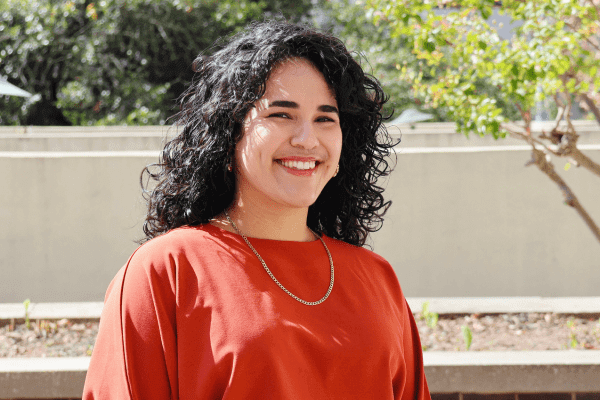
MPH student Kaithleen Hernandez, who is complementing their classroom knowledge with a graduate research assistantship in the Center for Leadership in Disability, wants to make systemic changes that improve public health.

The Georgia State University School of Public Health will bring nationally recognized experts on human trafficking, public health law and health equity research to speak on critical issues in Spring 2024 as part of its Grand Rounds Lecture Series.
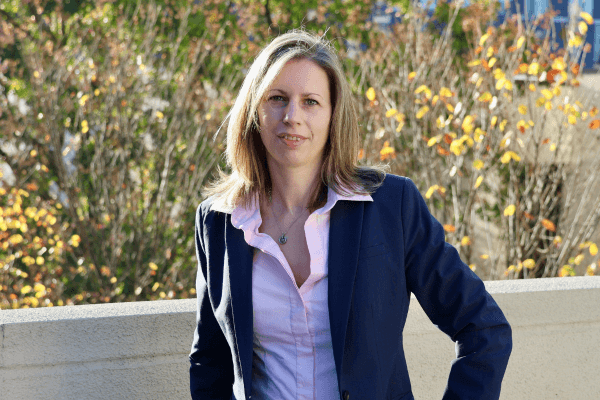
Juarndai Lei Gagnon, Director of Grants, Contracts and Finance in the Mark Chaffin Center for Healthy Development, collaborates with colleagues and manages budgets while ensuring workflow efficiency.

A team of researchers at Georgia State University will develop and test social media messages that seek to empower bystanders to take action to prevent sexual assault.

Nearly 150 Georgia State University School of Public Health alumni, supporters, faculty, staff and doctoral students gathered at the 2023 APHA Annual Meeting for a homecoming reception that commemorated the school’s 10th anniversary.

The grant from Kaiser Permanente will fund Georgia State University recruitment and retention activities aimed at increasing enrollment in the School of Nursing, as well as the expansion of opportunity for School of Public Health students practicing narrative exposure therapy.

Ph.D. student Amanda Bleichrodt, who was drawn to the Georgia State SPH because of her interest in infectious disease epidemiology, has presented her research findings at an international conference and seeks to apply her knowledge and skills at the CDC after graduation.

Just one year after its launch, Find Help Georgia has connected 25,679 people from across the state with financial assistance, food pantries, medical care, child care, job training and other free or reduced-cost services.

DrPH student Sasha Smith, who serves as the Chief Epidemiologist for the Fulton County Board of Health, says the program has honed her leadership skills with a comprehensive curriculum that emphasizes practical experiences, ethical considerations and networking.

Faculty members Jonte Myers and Terri Pigott have received a three-year, $1.2 million National Science Foundation grant to create a post-doctoral program aimed at improving K-12 mathematics and science outcomes for historically underrepresented groups.

To better understand health disparities that disproportionately impact racial and ethnic minorities, a team of Georgia State University researchers has been working to identify specific health concerns affecting underserved Atlanta communities.
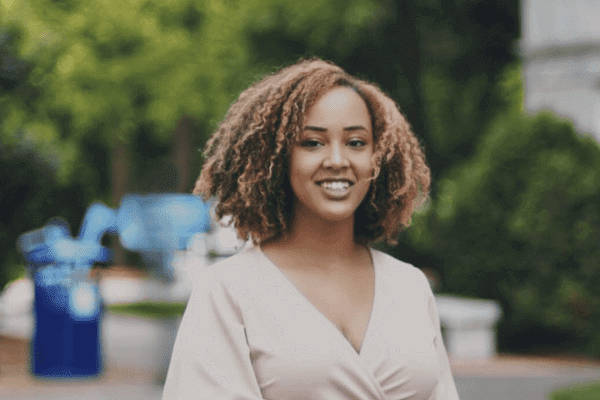
Sindoos Awel, who is pursuing an MPH with a concentration in Biostatistics, says that Atlanta’s status as a hub for public health research and organizations, along with the vibrant and diverse campus community, played a crucial role in her decision to attend Georgia State.

The Prevention Research Center at Georgia State University works in tandem with Clarkston’s residents to address challenges and improve public health.

The inaugural Ignite awards honor contributions to research, scholarship and creative activity.

Souvann St. John-Brown, Accountant II in the SPH’s finance team, says that working with talented and supportive colleagues not only boosts productivity but also makes each day enjoyable.

Chelsey Snell chose to major in public health because she wants to part of the solution, someone who actively works to close the gaps and health disparities that minority communities have faced long before the pandemic.

In a short period of time, the GSU SPH has grown in both size and stature. The school is now ranked among the nation's top 25 among public institutions.

A multidisciplinary research team led by the City of Atlanta and Georgia State University was recently announced as one of four statewide winners of the Partnership for Inclusive Innovation’s 2023 Community Research Grant.

Zeshan Chisty, one of 10 doctoral candidates nationwide to be named a 2023-24 APHA Kaiser Permanente Community Health Scholar, enrolled in GSU’s DrPH program to become a more effective public health leader.

The Georgia State University School of Public Health is welcoming four new faculty members for the 2023 – 2024 academic year.

Frances Nzobiwu says that an MPH with a concentration in Health Promotion and Behavior perfectly aligns with her passion for empowering individuals to make positive lifestyle choices.

A new study led by researchers at the Georgia State University School of Public Health finds that direct mail and electronic coupons influence former smokers when they’re most vulnerable to relapse.

With more than 100 externally funded research and service projects in the past fiscal year alone, faculty in the GSU SPH are leveraging their expertise to advance health equity in Atlanta and around the world.

MPH student Mariah Smith has taken full advantage of the many opportunities to be involved in research, athletics and student organizations that Georgia State University offers.

The Georgia State School of Public Health’s Grand Rounds Lecture Series will return this fall and feature alumna Na'Taki Osborne Jelks and Dr. Ruth Shim as its August and October speakers.

Sarah McCool, a global health and development expert with a proven record of international teaching, scholarly and community collaboration, has been named Director of Global Health Initiatives at the GSU SPH.

Let Me Do It is designed to help people with developmental and intellectual disabilities lead more independent lives.

The EMPOWER program at Georgia State University is working to enhance the diversity of the environmental health research workforce by building relationships with underserved schools in the Metro Atlanta area.

During the 2023 grant cycle, the Women’s Philanthropy Network is providing more than $300,000 in funding support to nine college- and unit-level initiatives.

The Georgia Leadership Education in Neurodevelopmental and Related Disabilities (GaLEND) Audiology program is working to increase the number of pediatric audiologists with expertise in delivering care to deaf or hard of hearing children and children with autism or other developmental disability.

The Georgia State University School of Public Health has moved up 11 positions in the 2023-2024 U.S. News and World Report ranking of Best Public Health Schools.

DrPH student Nickie Williams-Singleton chose the GSU School of Public Health for its well-rounded core curriculum of technical and non-technical public health courses, as well as its wide selection of elective courses.

Moriah Hibbard says the connections she made with professors as undergraduate student majoring in public health made her want to continue on to earn her MPH.

Lizzy Lynch is pursuing an MPH with a concentration in Health Management and Policy to explore how health economics, health finance and health policy influence health outcomes. This summer, she’ll apply her skills and knowledge at a health technology company.

As a lead-up to National Child Abuse Prevention Month, Prevent Child Abuse Georgia hosted its prevention partners at the state capitol. A proclamation signed by Gov. Brian Kemp commemorates April as National Child Abuse Prevention Month.

Sofina Tran, President of the Undergraduate Public Health Club, is dedicated to improving the health and well-being of refugee and immigrant communities.

A new Georgia State University study suggests that college women majoring in STEM fields are more frequently victims of sexual assault than their non-STEM counterparts.

Nineteen Georgia State University School of Public Health students have been inducted into the 2022 Class of the Delta Omega Honorary Society in Public Health for their outstanding academic achievements.

Terri Pigott, a professor with a joint appointment in the School of Public Health and College of Education & Human Development, was one of 24 faculty members nationwide selected as a 2023 American Educational Research Association Fellow.

Guilherme Ribeiro, an infectious disease epidemiologist who studies the impact of mosquito-borne diseases on vulnerable populations, will deliver the March Grand Rounds Lecture at the Georgia State University School of Public Health.

Funded by a five-year, $2.8 million grant from the National Institute on Aging, a multi-institutional team lead by Jalayne Arias, Associate Professor in the Department of Health Policy and Behavioral Sciences in the Georgia State University School of Public Health, will identify and evaluate barriers and facilitators to sharing research data.
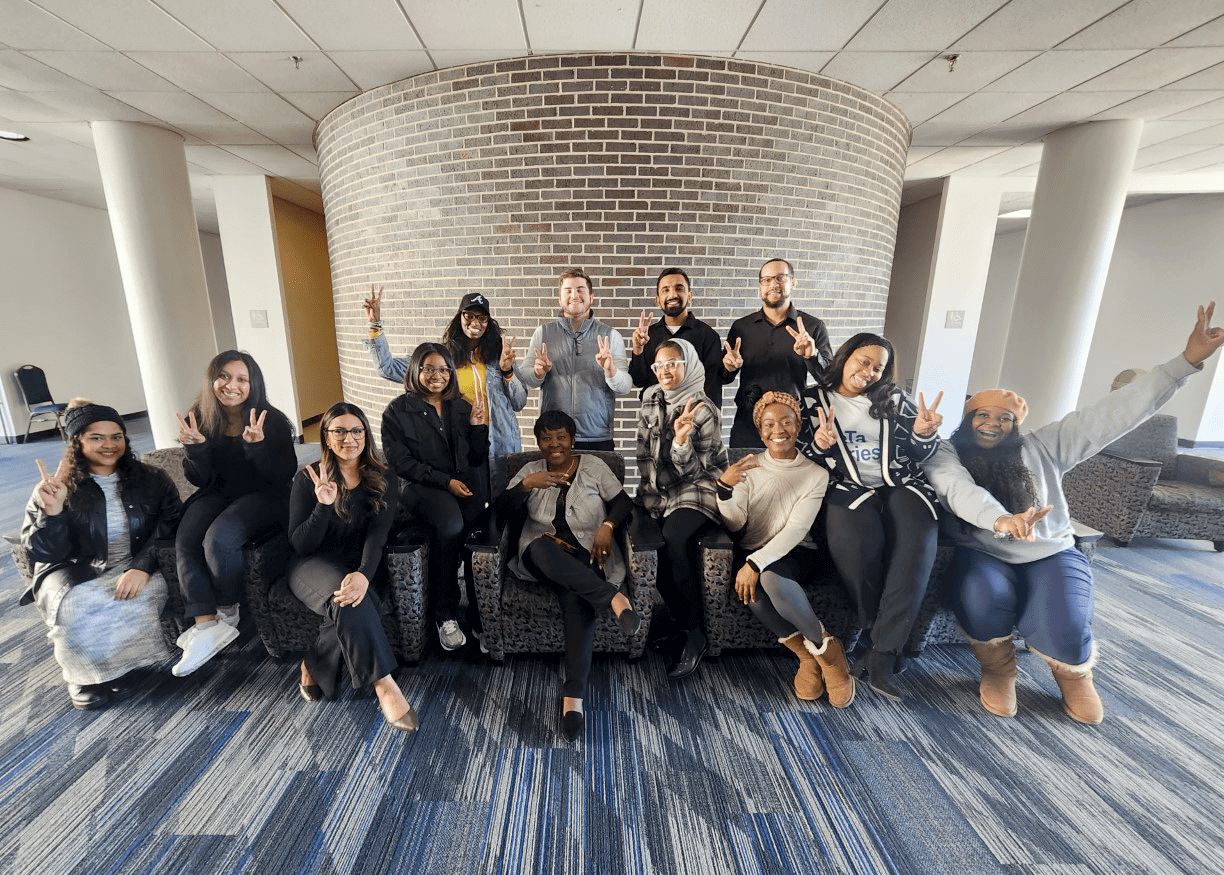
The Georgia State University School of Public Health’s MeTa (Meet and Talk) Series will host its 10th social mixer on March 9. The event includes games, free food, networking and breakout sessions with leaders from the public health community.

Ph.D. candidate Ashley Watson chose public health as a career after learning about health disparities and their impact on her community.

Elizabeth Armstrong-Mensah, Clinical Associate Professor in the Georgia State University School of Public Health, has been honored with the 2023 ASPPH Early Career Teaching Excellence Award.

The expansion of the English language instruction program lays the foundation for access to post-secondary education, career success and improved health and well-being in the Clarkston, Ga., community.

Catherine Citta, a 2021 alumna of the Georgia Leadership Education in Neurodevelopmental and Related Disabilities (GaLEND) program, has been selected as the Joseph P. Kennedy Foundation’s Public Policy Fellow for 2023.

Lupe Arteaga is pursuing an MPH with a concentration in Health Promotion and Behavior because she has always been interested in finding ways to improve community health
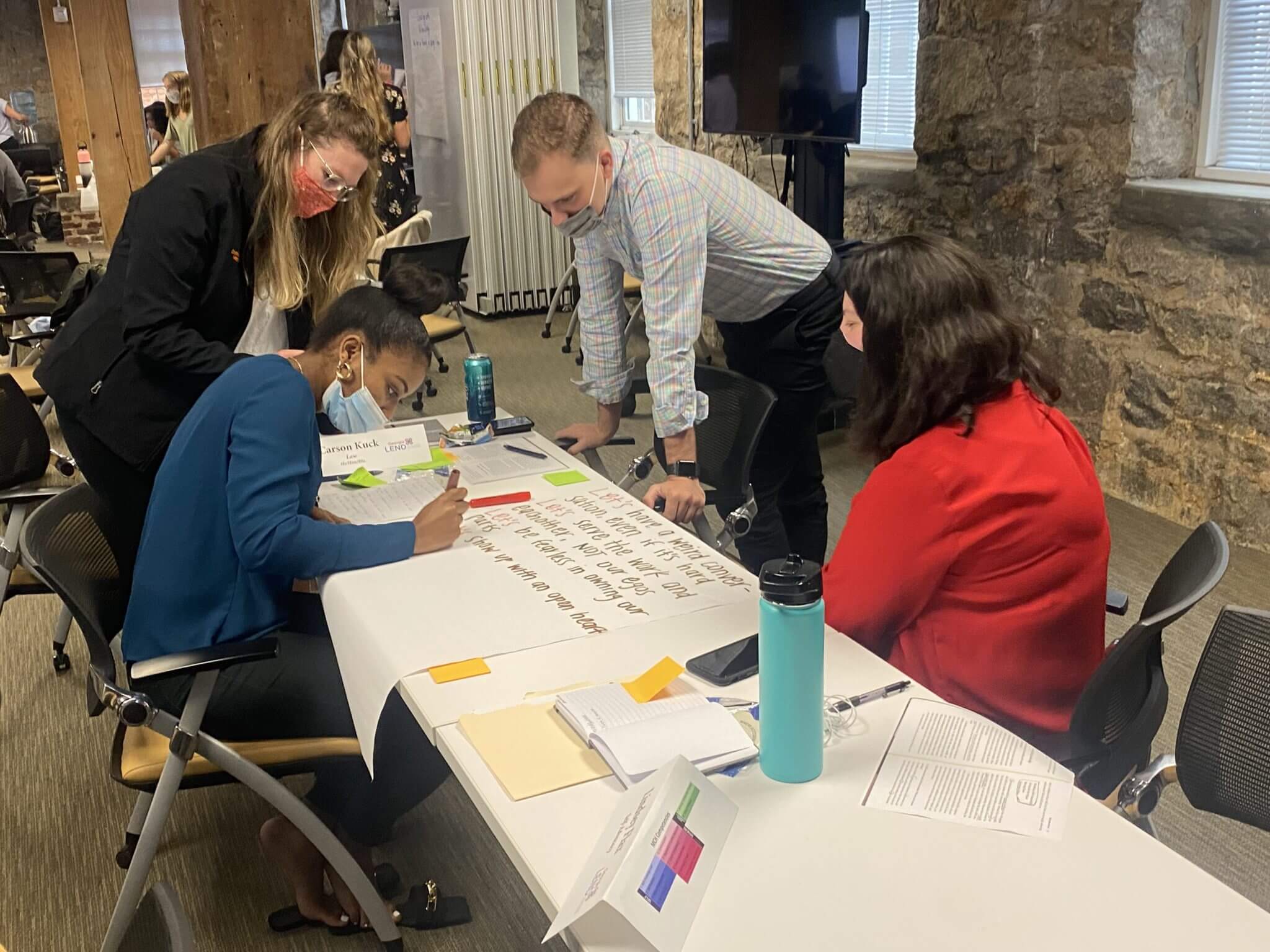
The Georgia Leadership Education in Neurodevelopmental and Related Disabilities (GaLEND) program at Georgia State University addresses many of today’s healthcare shortages through the interdisciplinary training of healthcare professionals.
Started in 2018, Georgia State’s 40 Under 40 program annually celebrates the most influential and accomplished Georgia State graduates who embody the values of the university.
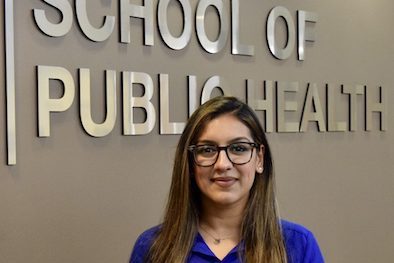
With dreams of becoming a physician assistant serving people in low-income countries, Maha Karim is pursuing a bachelor’s degree in public health so that she’ll have a better understanding of the relationship between inequalities, health equities and disparities.

Jennifer Hirsch, a medical anthropologist and Professor of Sociomedical Sciences at Columbia University, will deliver a talk titled “It Doesn’t Have to be ‘1-in-3’: A Public Health Approach to Campus Sexual Violence Prevention” on February 13.

Josephine Mhende (MPH 2016) credits the Georgia State School of Public Health with helping her understand her WHY, which is to support families with their social and emotional wellness so they flourish in all areas of their lives.

Chad Curtiss, who has completed an internship with the CDC and was later selected for a fellowship at the CDC, says that an MPH is a worthwhile investment in yourself and a gift to us all.

The university has spent more than $1 billion on its diverse research portfolio since fiscal year 2017.

Three MCH students: Hasset Zelealem, a student leader in the MCH Student Association; Dr. N’faly Keita, 2021-2022 member of the MCH Trainee Ambassador Group, and Kourtnii Farley, Title V Intern, were asked to share their experiences with the program.

The 2022 Impact Report highlights some of the School of Public Health's outstanding students and initiatives to advance health equity through teaching, research and community engagement.

A team of Georgia State University researchers has received a three-year, $1 million grant from the U.S. Department of Health and Human Services’ Office of Minority Health to improve health services for non-native English speaking minority communities.

Graduating MPH student Carlf Cao said that his experiences, both inside the classroom and out, have prepared him with core skills in areas such as statistical methodologies and data analysis but also have prepared him to work as part of a diverse team on large and complex projects.

A carefully crafted, interdisciplinary approach to his undergraduate studies has given Honors student Jake Coldiron the foundation he’ll need to fully understand and pursue a career in population health research.

Master of Public Health student Angelique Willis is passionate about the connections between environmental and human health.

Graybill, Clinical Associate Professor in the School of Public Health and Director of the Center for Leadership in Disability, will be part of a group of 10 CDC Children’s Mental Health Champions.

A powerful network of researchers and community members are working to improve the lives of people in one of the most culturally diverse cities in the U.S. and provide access to resources amid the pandemic.

More than 200 leaders in the field of infant and early childhood mental health participated in a day-long event to celebrate the establishment of the Georgia Association for Infant Mental Health: Birth through Five (GA-AIMH) at Georgia State University.

The Office of Applied Practice Experiences and Career Services opened this fall and provides students with centralized support and an array of services.

Mark Crenshaw has been elected by the members to serve as a member-at-large on the Association of University Centers on Disabilities Board. AUCD is a membership organization that supports and promotes a national network of university-based interdisciplinary programs.

The event will celebrate the establishment of GA-AIMH and draw more than 200 infant and early child mental health leaders from across the state.

The trauma training video module covers the complex needs of Latinx immigrant and migratory children in Georgia and was supported by a grant from Morehouse School of Medicine’s Community Engagement and Course Action Network.

Villarosa is the author of three books, including “Under the Skin: The Hidden Toll of Racism on American Lives and on the Health of Our Nation.”

Dayna Bowen Matthew, Dean and Harold H. Greene Professor of Law at the George Washington University Law School, will kick off the new Grand Rounds Lecture Series at the Georgia State University School of Public Health.

As part of its continuing efforts to increase the Clarkston community’s confidence in and uptake of COVID-19 vaccines, the Prevention Research Center at Georgia State University, in collaboration with the Dekalb County Board of Health, has launched the “Get Your Vaccine Today” poster campaign.

A new set of forecasts created by researchers at the Georgia State University School of Public Health project a decline in new monkeypox infections but raise doubts about whether the viral disease can be eradicated from the United States.

Capping off a collaborative and iterative process that began last fall, the Georgia State University School of Public Health has adopted its 2027 Strategic Plan.

Congressman Hank Johnson recently visited Clarkston to hear how the Georgia State University Prevention Research Center is helping improve health and well-being.

Georgia State Alumni Association Welcomes New Members to Board of Directors and Young Alumni Council
The Georgia State University Alumni Association has named three new members to its Board of Directors and 18 new members to the Young Alumni Council board.
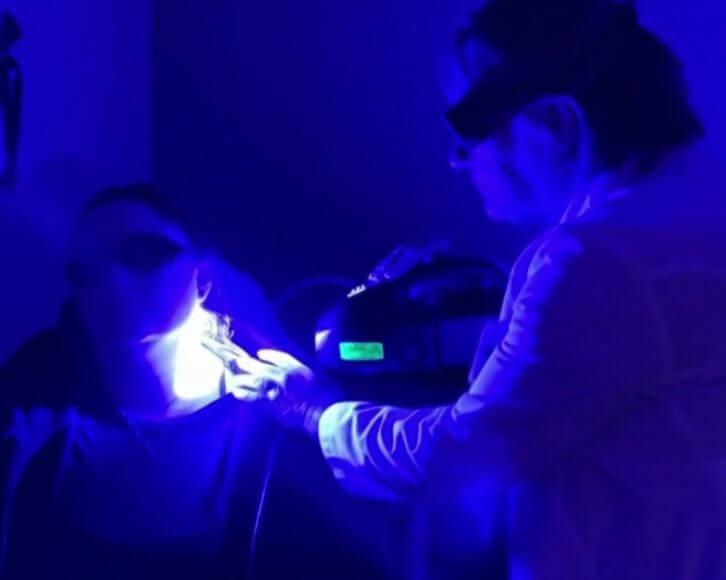
NBC Nightly News recently featured research conducted by George Mason University researchers and collaborators that include Georgia State School of Public Health Professor Matt Hayat. The team is studying new technology that helps reduce disparities in injury detection among diverse populations.

More than 250 participants, including Clarkston residents, community organizations and leaders attended the Summit at the Georgia State University Clarkston Campus.

The $20.96 million total for fiscal year 2022, which concluded on June 30, is nearly double the school’s total from just four years ago.

The Women’s Philanthropy Network (WPN) at Georgia State University selected a diverse set of college and unit-level initiatives to receive grants ranging from $10,000 to $75,000 to foster student success and improve student opportunities.

The new university initiative establishes interdisciplinary research hubs to address some of society’s most pressing issues, including pandemic preparedness, climate solutions, crime victim protection, equity and access, and public health.

Using a new grant, environmental health researchers at Georgia State are examining the effects of air pollution in metro Atlanta childcare centers.

A new study led by public health researchers at Georgia State has found that mental health status significantly affects whether adolescents who use e-cigarettes will begin using cannabis.

The 40 Under 40 program honors, recognizes and celebrates the most influential and impactful Georgia State graduates under the age of 40 who embody the values of the university.

The Mark Chaffin Center for Healthy Development will be the first be the first umbrella organization to house GA-AIMH.

A new national center based at Georgia State University's School of Public Health offers hope for victims of child trafficking.

New research led by associate professor Lucy Popova examines how the COVID-19 pandemic affected tobacco use in America.

Georgia State University’s Prevention Research Center is partnering with the City of Clarkston and others to provide access to preventive care with the Health for All campaign.

The CDC Foundation and Georgia State University are creating a Postdoctoral Fellowship in Global Tobacco Research.

The grant supports a mental health awareness training program to increase community capacity to identify mental health concerns in children ages 12 to 18 and improve their access to needed supports and services.

The intervention targets binge drinking and sexual assault among college students and is tailored by gender and sexual orientation.

Drs. Adrienne Lester King and Laura Salazar were awarded Responsible Innovation research grants to study the impact of augmented reality, virtual reality, and smart device technology.

Khadijah Ameen, Tyler McCoy Gay and Keiwana Glover were recently named participants in the prestigious Health Policy Research Scholars program, which equips doctoral students with the skills to influence public policy and create a culture of health.

Dr. Galea has been listed as one of the most widely cited scholars in the social sciences. The free lecture will be delivered in a livestream format on Wednesday, November 3 at 2 p.m.

The NCSVP was established after a second year of federal funding from the Sexual Assault Prevention and Response Office (SAPRO), a division of the U.S. Department of Defense (DoD).

A new study conducted by Georgia State University researchers examining the risks of adolescent suicide by guns found that the teens did not display typical suicidal behaviors. These findings increase the need for strong gun safety measures in homes where teenagers live.

The award from SAMHSA’s National Child Traumatic Stress Initiative will establish the National Center on Child Trafficking (NCCT) in the Mark Chaffin Center for Healthy Development at Georgia State.

College of Education & Human Development Associate Professor Andy Roach and Emily Graybill, director of Georgia State University’s Center for Leadership in Disability, are co-principal investigators on a new five-year, $4 million grant from the U.S. Department of Education's Institute of Education Sciences to study a professional development program for special education teachers.

The Center for Leadership in Disability (CLD) in Georgia State University’s Mark Chaffin Center for Healthy Development will lead a Disability and Health State Program.
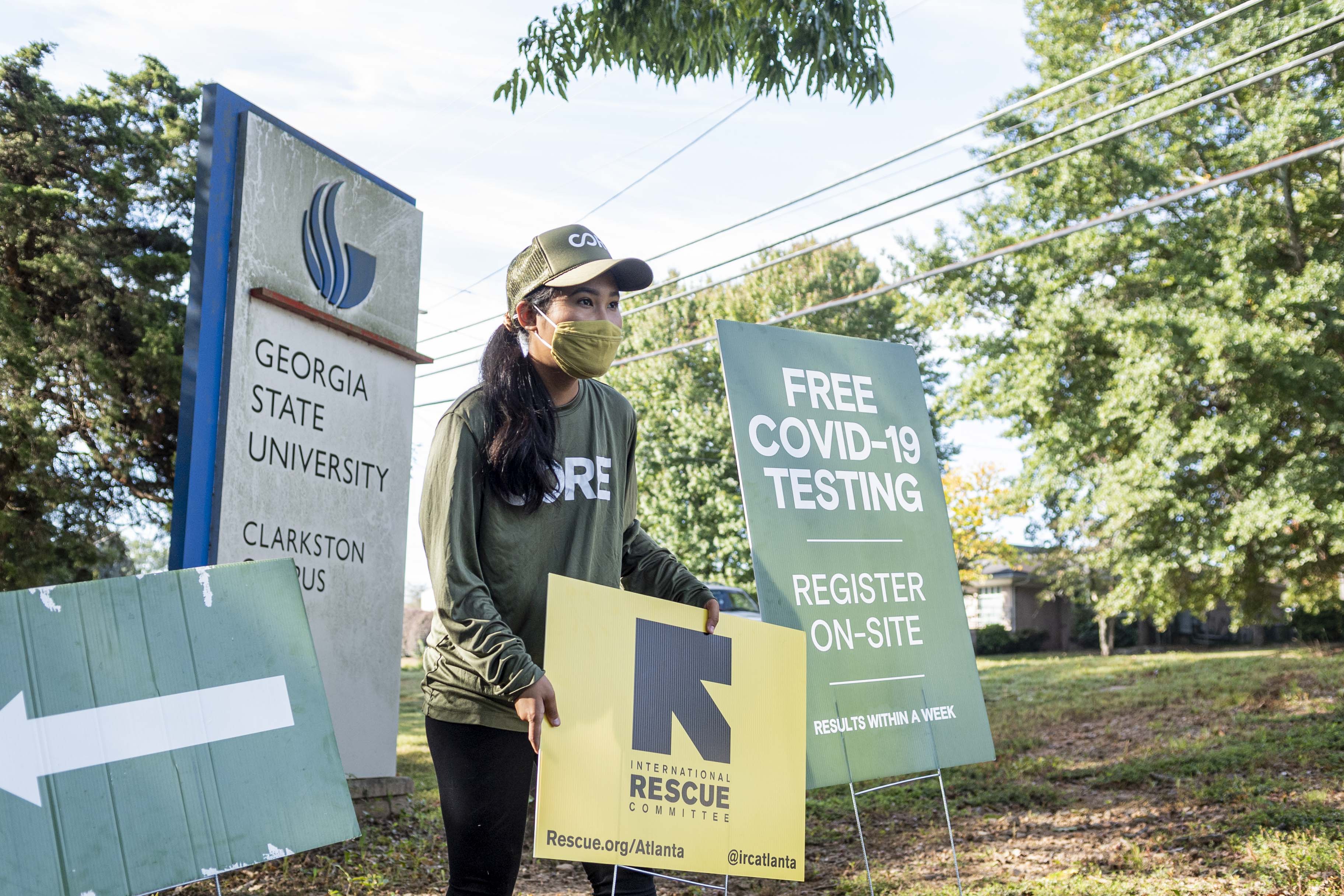
With a fully vaccinated rate of nearly 42%, Clarkston is outpacing neighboring communities that are similarly stressed, with low household income, low literacy and language ability, high density housing, and limited transportation.

Chemical Insights nonprofit and the School of Public Health have launched a research initiative on the harmful effects of vaping and e-cigarettes.

Developed by Georgia State’s School of Public Health and Adult Literacy Research Center at the College of Education & Human Development, the toolkit contains videos and brochures on diabetes, high blood pressure, high cholesterol and healthy eating published in 13 languages.

Dr. Christina H. Fuller, an environmental health scientist, was selected by the head of the United States Environmental Protection Agency to serve as a charter member on the Clean Air Scientific Advisory Committee.

Dr. Matthew Hayat was selected for his transdisciplinary biostatistics research, collaborative efforts in the dissemination and application of statistical methods in the health sciences, and scientific leadership and mentorship in the field of statistics education.

The research team aims to identify behaviors and solutions to increase COVID-19 vaccine confidence in the city's African American and refugee, immigrant and migrant (RIM) community.

Dr. Rodney Lyn, professor in the Department of Health Policy and Behavioral Sciences, has been appointed dean of the School of Public Health at Georgia State University.

Georgia State's School of Public Health has been awarded a $75,000 grant from Facebook Reality Labs, to create a narrative film that will be an immersive and interactive online platform for combatting racial injustice.

The two graduates, Jyll Walsh and Samuel Clasp, were celebrated at a private Commencement and Hooding Ceremony on May 4 in Student Center East.
A Master of Public Health alumnus has committed to donating the largest philanthropic commitment made by an individual and the first planned gift to the School of Public Health.

A new Georgia State project aims to understand why some Black Atlantans are hesitant to participate in COVID-19 research.

Graduate students across disciplines took top prizes in the final round of the 2021 Three-Minute Thesis (3MT) competition.

The Women’s Philanthropy Network at Georgia State has endowed the first baccalaureate scholarship in the School of Public Health. The $100,000 scholarship is in honor of Dr. Mark Becker, the university’s seventh president.

Gerardo Chowell, a professor of epidemiology in the School of Public Health at Georgia State, reflects on his work, what experts have learned about COVID-19 in the past year and what to expect for the future.

Dr. Lucy Popova has been appointed to serve on the FDA's Tobacco Products Scientific Advisory Committee (TPSAC).

The National Cancer Institute has awarded Georgia State University’s School of Public Health a $3.5 million grant to help eliminate child secondhand smoke exposure and reduce cancer disparities.

Faculty in the College of Education & Human Development’s Adult Literacy Research Center received a $15,000 grant from the Atlanta Global Research and Education Collaborative to adapt a trauma intervention program for culturally- and linguistically-diverse communities.

Monica Swahn, Distinguished University Professor in the School of Public Health at Georgia State University, has been named dean of the Wellstar College of Health and Human Services at Kennesaw State University.

The NIH has awarded an interdisciplinary public health team a grant through its RADx Underserved Populations (RADx-UP) program to study COVID-19 research participation in Black communities in Atlanta.

The digital exhibit was been produced by faculty, staff and students from Georgia State University and Emory University working with the David J. Sencer CDC Museum.

Georgia State faculty have come together to study how the pandemic is affecting refugees in Clarkston — and help address the community’s unique needs.

As Black communities are being devastated by COVID-19, Georgia State researchers are working to illuminate the ways systemic racism drives health disparities, harming and even killing African Americans.

Students with autism and mild intellectual disabilities are discovering an enriching college experience through Georgia State’s media-focused IDEAL program.

The Prevention Research Center at Georgia State has teamed up with the city of Clarkston, Ga., to distribute multilanguage lawn signs on COVID-19 protections in high-pedestrian areas to help curb the spread of the disease.

Georgia State University’s School of Public Health has received federal funding to help build a workforce of trained professionals to implement sexual assault prevention practices and activities in the military.
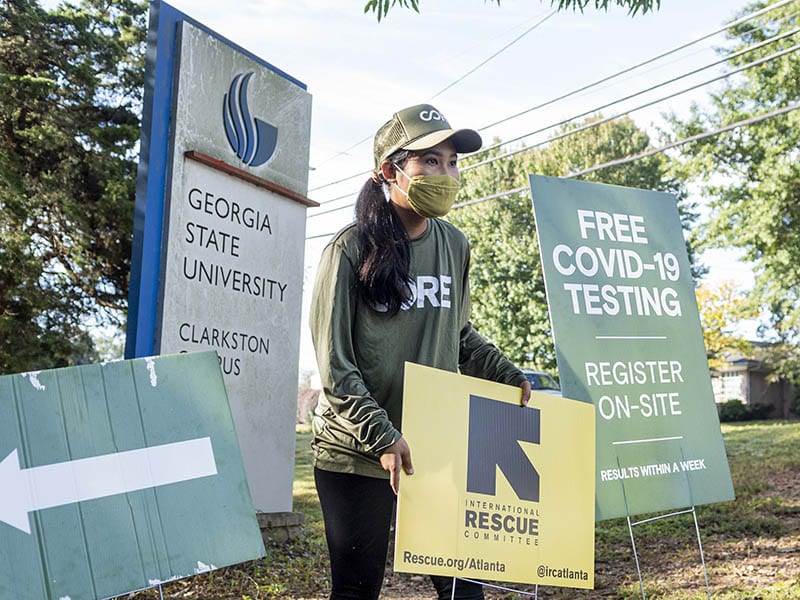
A national organization is offering free coronavirus tests to the public on Georgia State University’s Clarkston Campus Oct. 8-10.

The first time Keianna Moyer saved a life, she knew she had found her calling.

When Evelyn Farkas was 13 years old, she found herself in the center of a medical mystery.

The program is designed to educate incoming freshmen and others on how to prevent and intervene against sexual assault.

Georgia State University and Augusta University will provide grants totaling nearly $200,000 to support four research collaborations among faculty from both institutions.

Part of a research team that uses mathematical models to study how the environment affects transmission of SARS-CoV-2, the novel coronavirus, Gerardo Chowell is helping to produce daily forecasts of the virus’ trajectory.

A professor of epidemiology, Monica Swahn was closely monitoring the unfolding pandemic when her father fell ill with COVID-19. Here, she remembers him and discusses his death against the backdrop of various global responses to the crisis.
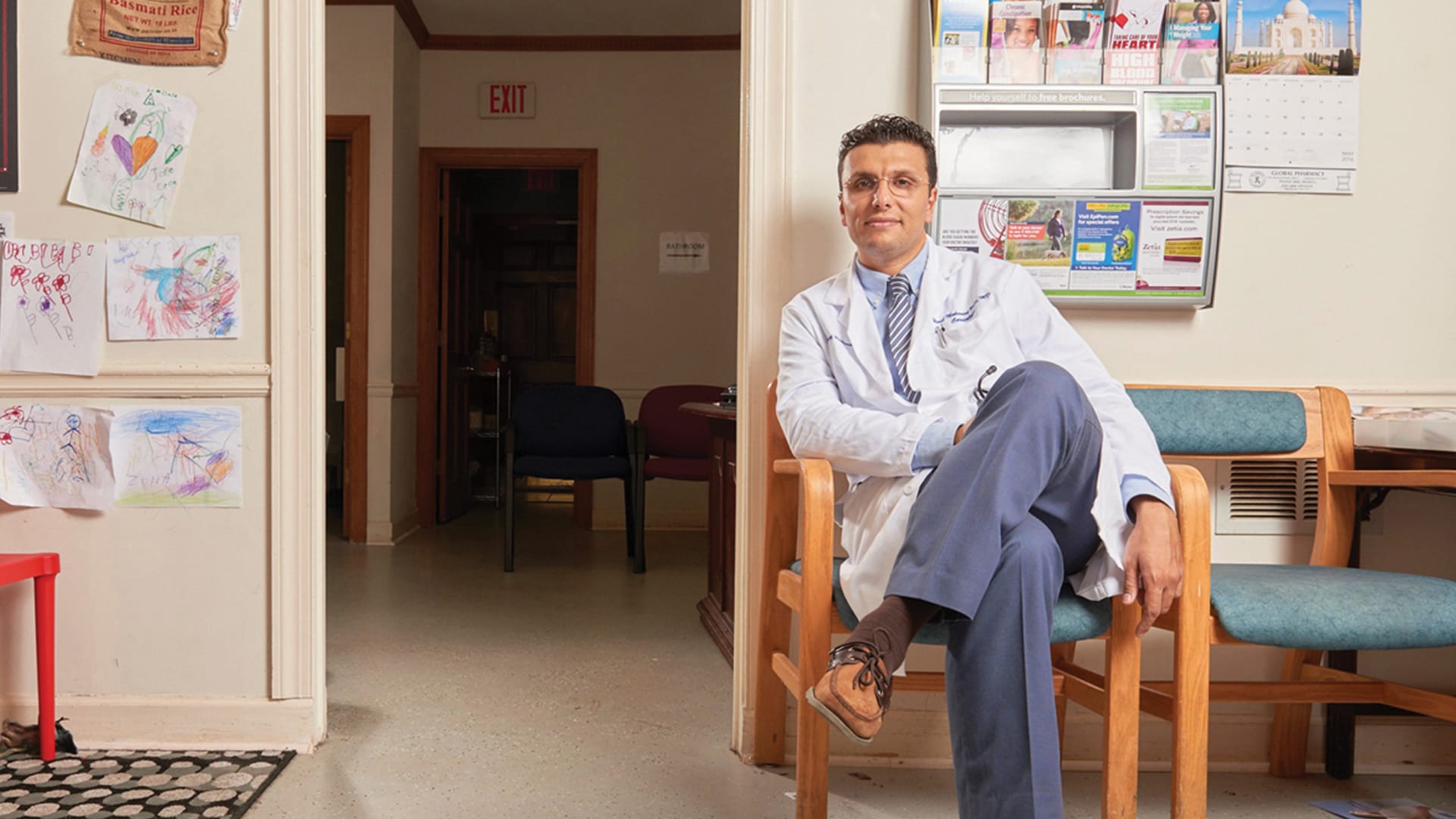
Dr. Heval Kelli (B.S. '08) and his family sought refuge in the U.S. after fleeing Syria in 2001. Now a cardiologist, he’s stepping up to help during the COVID-19 pandemic in the community that took them in.

At the School of Public Health, researchers are studying how vaping got a new generation addicted to nicotine, and what’s needed to combat the growing epidemic.

Georgia State epidemiologist Gerardo Chowell on what makes the coronavirus pandemic unique and what still needs to happen as the global outbreak unfolds.

Georgia State scientists are joining the race to unravel how the new coronavirus operates — and find effective treatments.

The team’s analysis allows them to determine where the virus has peaked, is peaking or is yet to peak.

Researchers at Georgia State University have released a trove of data from the social media site Twitter to help represent the spread and impacts of the global coronavirus outbreak.

Georgia State scientists are joining the race to unravel how the new coronavirus operates — and find effective treatments.

Researchers in the School of Public Health are helping stabilize Georgia families affected by substance abuse.

Not wanting to substitute one addictive product for another was cited as a major reason why U.S. smokers who have never used electronic nicotine delivery systems (ENDS) rejected them as a means to quit cigarettes, according to a new study by tobacco researchers.

Dr. Gerardo Chowell, a mathematical epidemiologist in the School of Public Health, is producing daily 10-day forecasts of the cumulative number of confirmed cases of the coronavirus in China.

Perimeter College nursing students promote health literacy by using the "teach back" method when seeing patients at Grace Village Medical Clinic.

Researchers at Georgia State’s School of Public Health will coordinate a regional partnership with universities and state agencies to help parents with addiction issues improve their lives and the lives of their children.

Assistant professor Claire Spears is using mindfulness to help low-income Americans kick the habit.

The number of U.S. adults who perceive e-cigarettes to be at as harmful as, or more harmful than, cigarettes has increased between 2017 and 2018, even prior to the national outbreak of vaping-related lung disease and deaths, a study by tobacco researchers from Georgia State University’s School of Public Health has found.

Georgia State University Professor Terri Pigott will coordinate a five-day research institute designed to teach early career STEM educators important data analysis skills necessary for high-quality STEM education research.

The colleges and universities are working together on research and teaching to improve understanding of the physical, economic and social impacts of climate change in Georgia.

The gravest health threats facing developing countries are not viral outbreaks or parasites, but chronic conditions such as heart disease and cancer. Professor Collins O. Airhihenbuwa has pioneered a culturally informed approach to confront the global spread of these diseases.

At the Center for Research on Interpersonal Violence, Georgia State faculty are helping to stop assaults.

Professor Eric Wright recently led a study of homelessness and human trafficking among metro Atlanta youth.

Four Georgia State University students and a graduate are among those selected as fellowship recipients in the Fulbright U.S. Student Program, setting a university record.

Women of color and young women may face elevated risks of developing triple-negative breast cancers, a type of cancer that spreads more quickly than most other types and doesn’t respond well to hormone or targeted therapies, a study published in CANCER, a peer-reviewed journal of the American Cancer Society, shows.

Researchers in Georgia State University’s School of Public Health have been awarded a five-year, $3.15 million grant by the National Institutes of Health (NIH)’s National Cancer Institute to further develop and evaluate a text messaging program to help people quit smoking.

The Urban Studies Institute was awarded $250,000 to study mobility challenges limiting low-income patients in accessing healthcare and related resources.

The timing of a hurricane is one of the primary factors influencing its impact on the spread of mosquito-borne infectious diseases such as West Nile Virus, dengue, chikungunya and Zika, according to a study led by Georgia State University.

Georgia State researchers worked hand-in-hand with residents of Atlanta’s Westside to map environmental health threats in the Proctor Creek Watershed.

Georgia State University graduate students took top prizes on March 25 at the university’s spring Three-Minute Thesis (3MT) competition, where they were challenged to explain their research and scholarship to a general audience in a short time.

An increasing number of American adults believe e-cigarettes are as or more harmful to health than cigarettes, according to a study by researchers at Georgia State University’s School of Public Health.

Youth living in the slums of Uganda who are infected with both HIV and sexually transmitted infections are more likely to engage in problem drinking, according to a study led by Georgia State University.

Georgia State University is part of a national group of leading innovative institutions that has received a $2.4 million grant from the Strada Education Network to redesign the college-to-career pathway.
New HIV infections in the United States could be substantially reduced by up to 67 percent by 2030 if ambitious goals for HIV care and treatment are met and targeted prevention interventions for people at risk for HIV are rapidly scaled up, according to a study by Georgia State University and the University at Albany-SUNY.

A new semester brings fresh opportunities to achieve academic success. Georgia State is excited to welcome back all of our new and returning students for the spring 2019 semester.

Philip Hudson, a former police detective who is pursuing his master's in public health at Georgia State, has helped the Georgia Department of Public Health research roadway deaths and other safety issues.

The wide-ranging study found that the most common forms of discrimination for LGBTQ people in the South were being subject to slurs and jokes, rejection by friends and family and places of worship, and poor service at places of business.

Kate Kroell (MPH, '11) sees accessibility to fresh foods as a public health issue and a matter of social justice.

As a scientist with the CDC and U.S. Public Health Service, Jennifer Lind (M.P.H. ’12) helps address today’s most critical global health crises and challenges.

In two new studies, Georgia State researchers upend traditional thinking on e-cigarettes.

Adults with no high school diploma or GED are consistently at the greatest risk for the leading causes of disease and death.

Environmental improvements can make a significant impact on the health of urban populations in low- and middle-income countries.

Georgia State University is ranked the second most innovative university in the nation and second in the country for its commitment to undergraduate teaching in the 2019 Best Colleges edition of U.S. News & World Report magazine.

Smokers who never plan to quit are less likely than other smokers to agree that cigarettes cause lung cancer, heart disease and other serious health problems, according to a study by a group of tobacco researchers at the School of Public Health at Georgia State University.

A Georgia State University nurse researcher receives a $423,314, National Institutes of Health, National Institute of Nursing Research (NIH, NINR) grant to develop Web-based intervention for the caregivers of medically fragile children who are dependent on medical technology.

The School of Public Health at Georgia State University will reorganize into departments, helping the school manage its rapid enrollment growth, and creating an organizational structure in line with other academic units at the university.

Users of tobacco products are less likely than the public to agree that nicotine exposure is dangerous for children, according to a study by a group of tobacco researchers at the School of Public Health at Georgia State University.

Trained service dogs may reduce stress symptoms, including suicidal thoughts, in American military veterans, according to a recent study co-authored by researchers at Georgia State University School of Public Health and Kaiser Permanente.

Georgia State University has received $1.4 million from the National Institutes of Health to lead a four-year research initiative that will evaluate the effects of early attempts to regulate electronic cigarettes (e-cigarettes).
Users of e-cigarettes and other electronic nicotine delivery systems (ENDS) in the United States are no more likely to quit smoking cigarettes than people who don’t use such devices, according to a study by a group of tobacco researchers at the School of Public Health at Georgia State University.

Suicide rates in the U.S. have increased nearly 30 percent in less than 20 years, according to the CDC. Dr. Monica Swahn, Distinguished University Professor of epidemiology and biostatistics, examines what's driving the increase and its link to substance abuse.

Reports that use of electronic cigarettes is declining may not have accounted for explosive growth in sales of the JUUL device, a novel product that has benefited from social media marketing campaigns to reach young consumers, according to a study led by researchers at Georgia State University’s School of Public Health.

Young men entering college may be more likely to perpetrate sexual violence if they are consumers of pornography, engage in heavy drinking, subscribe to exaggerated male stereotypes and have friends who encourage sexual violence, according to a study led by researchers from the School of Public Health at Georgia State University.

Dora Il’yasova, associate professor of epidemiology, explains why everything you thought you knew about antioxidants is wrong.

Changes in pricing of tobacco products affect sales of those products at varying rates, with demand for little cigars and e-cigarettes more sensitive to price change than that of some other products, according to a study led by a researcher from the School of Public Health at Georgia State University.

Dr. Collins Airhihenbuwa, a global public health scholar and educator, will join the School of Public Health at Georgia State University to lead a new interdisciplinary team known as the Global Research Against Non-communicable Disease (GRAND) Initiative.

The School of Public Health at Georgia State University celebrated its largest class of Master of Public Health and Ph.D. students, as well its first-ever class of graduating bachelor's degree students, during its convocation ceremony on May 10, 2018.

Our Spring 2018 graduates include the daughter of Vietnamese immigrants who made her college dream come true, an environmentalist studying the health consequences of nanotechnology, a drug court employee driven to make health policies that help addicts, and an epidemiologist who turned to social media to encourage college-age, black men to get tested for HIV.
Dr. Kim Ramsey-White, who teaches about health disparities at Georgia State University, has began a campaign to raise awareness for organ donation while her husband, who was diagnosed in 2015 with advanced heart failure, waits to get on the transplant list.

Prevent Child Abuse Georgia has developed an interactive map of resources available to support Georgia’s families, featuring information about more than 3,000 organizations and agencies that serve children and families across the state, and allowing users to search by location to make it easier to find the resources closest to them.

The kinds of neighborhoods children live in could influence their mental health, according to a recent study by researchers from the School of Public Health at Georgia State University.

Georgia State University will offer a Doctor of Public Health (DrPH) program to meet the growing need for public health professionals with advanced training and preparation for positions in leadership, applied research and other practice-based roles.
Lia Scott, a Ph.D. student in Georgia State University's School of Public Health, has been awarded a National Institutes of Health grant for her research into how residential segregation and income inequality impact triple-negative breast cancer diagnoses and survival.

Dr. Betty Lai, assistant professor of epidemiology & biostatistics at Georgia State University School of Public Health, has been selected to receive the American Psychological Foundation’s 2018 Division 37 Diane J. Willis Early Career Award.

Child sexual abuse in the United States is costly, with an average lifetime cost of $1.1 million per death of female victims and $1.5 million per death of male victims, according to a new study.

A graduate student in the School of Public Health at Georgia State University won top honors at the university’s Spring 2018 Three Minute Thesis (3MT) competition held March 26.
A graduate student in the School of Public Health at Georgia State University won top honors at the university’s Spring 2018 Three Minute Thesis (3MT) competition held March 26.
Na’Taki Osborne Jelks, a 2016 Ph.D. graduate of the School of Public Health at Georgia State University, has been named to the U.S. Environmental Protection Agency’s National Environmental Justice Advisory Committee.
Na’Taki Osborne Jelks, a 2016 Ph.D. graduate of the School of Public Health at Georgia State University, has been named to the U.S. Environmental Protection Agency’s National Environmental Justice Advisory Committee.

Two School of Public Health master’s program graduates are among the Georgia State University's inaugural class of distinguished young alumni.

Reducing the calories healthy adults consume — without causing malnutrition — may also reduce oxidative stress, and in turn prevent aging, according to a recent study led by a researcher from the School of Public Health.
One hundred years ago, a novel pandemic influenza virus spread rapidly around the world. It killed about 1 to 2 percent of the human population, primarily young and often healthy adults.

Dr. David Ashley, a member of the faculty at Georgia State University, has been recognized by the Society for Research on Nicotine and Tobacco (SRNT) for his lifetime of work in tobacco control.

Nearly one-fourth of young people living in the slums of Kampala, Uganda have contemplated suicide, which is higher than previous studies have shown for Ugandan youth overall, according to a recent study by researchers at the Georgia State University School of Public Health.

For the second year in a row, Georgia State University has been selected to host the Fulbright Global Health Innovations Seminar, which will bring nearly 90 international students to the Georgia State campus.

The School of Public Health at Georgia State is participating in three of the university's new Next Generation Program interdisciplinary research projects.

Knowing that education begins in childhood and acts as a social determinant of health, Dr. Shanta Dube takes a close look at how childhood adversities impact learning and education.

News of a mysterious polio-like illness infecting children began to emerge across the United States in 2014.

In the midst of a harsh flu season, university communities need to take extra precautions to not spread infection, say the deans of Georgia’s four public health colleges.
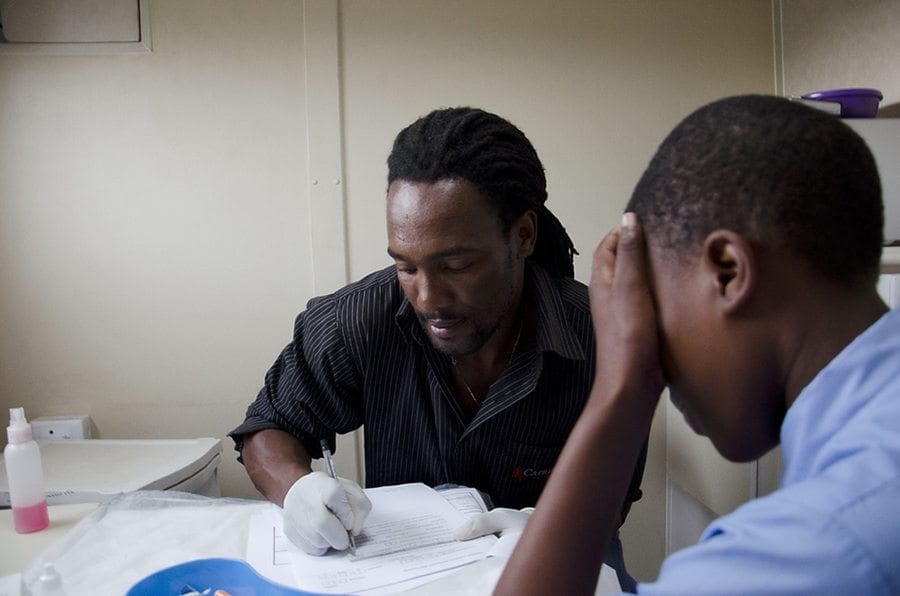
A team of public health researchers has outlined recommendations for reducing the stigma of HIV/AIDS in the developing world, which often stymies progress in reducing the virus’ spread.

Stress over not conforming to feminine gender roles could make adolescent girls more vulnerable to substance abuse, risky sexual behavior, mood disorders and feelings of hopelessness, according to a study led by an instructor at Georgia State University.

Two researchers from Georgia State University have created a new mathematical model to help health researchers better process complex data that include numerous curves as variables.

Lesbian, gay and bisexual adults are more likely than heterosexual adults to have tried e-cigarettes, according to a study led by tobacco researchers at the Georgia State University School of Public Health.

Dr. Kathleen Baggett has been named the interim director of the Mark Chaffin Center for Healthy Development in the School of Public Health at Georgia State University.

More than 45 Master of Public Health and Ph.D. students graduated from the School of Public Health at Georgia State University in Fall 2017.
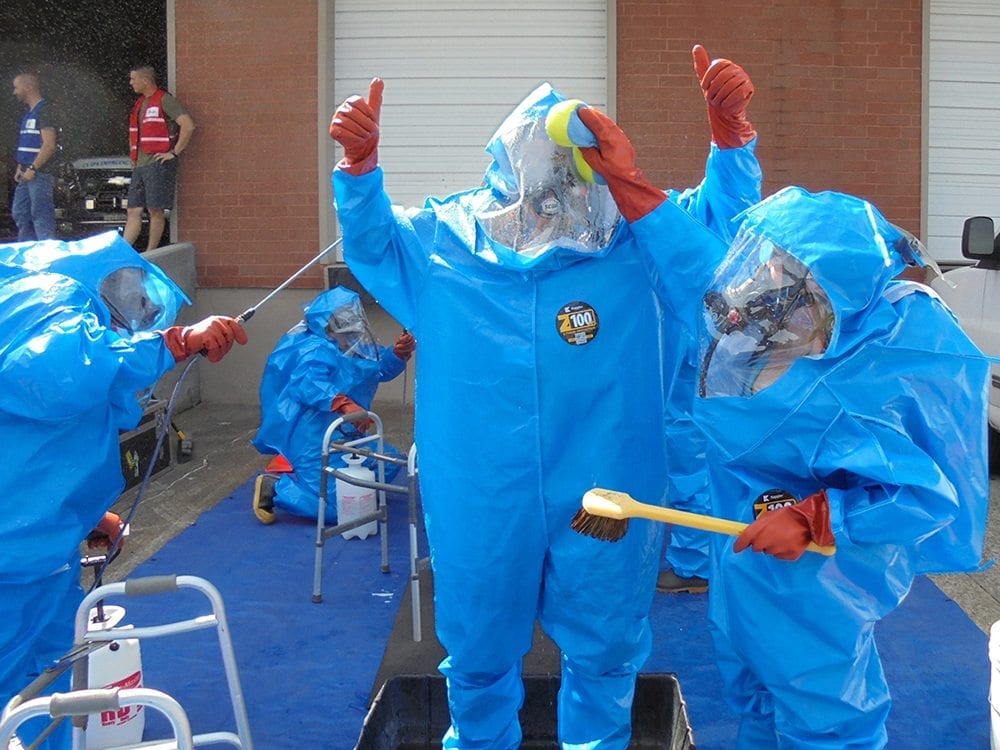
Our Fall 2017 graduates include a social justice-seeker who has seen the effects of addiction firsthand, a globe-trotting supporter of healthy communities, a microbiologist who responds to environmental disasters and a health communicator who answered the call to pursue sexual violence prevention.

Public health messaging about the safety of e-cigarettes needs to account for the worldviews of different target audiences, according to a Georgia State study.

Federal officials considering new regulations on tobacco products should give more weight to the fact that a majority of smokers are unhappy about feeling addicted to cigarettes, and should put less emphasis on the theory that smokers who quit are losing “pleasure” in their lives, according to a recent study.

Researchers at Georgia State University School of Public Health will partner with colleagues in China on global health projects and education through a five-year agreement with health officials in Chengdu.
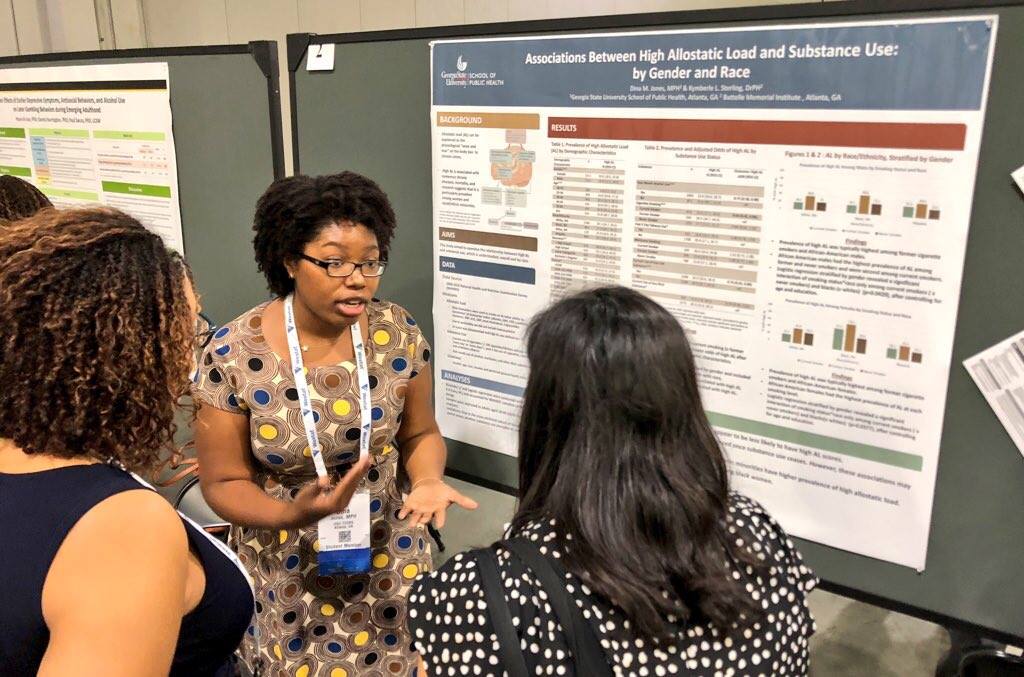
Dina Jones, a student at Georgia State University School of Public Health, received the American Public Health Association’s (APHA’s) Alcohol, Tobacco and Other Drug Section Student Award for her poster presentation during the association’s annual conference in Atlanta.

ATLANTA—Two Georgia State University researchers have been awarded funding grants from It’s the Journey and The Georgia Center for Oncology Research and Education (Georgia CORE) to continue their research on breast cancers that have a greater impact on African Americans.

ATLANTA—Homeless youth face increased social isolation and fewer support resources, according to a study recently published in Social Sciences by Georgia State University sociologists. The survey of homeless youth in Atlanta revealed that having more supportive network ties reduces the risk of experiencing significant symptoms of a severe mental illness, while longer length of homelessness is tied to having fewer personal support network resources.
The School of Public Health at Georgia State University has created a series of one- and two-day courses to provide high-quality, cost-effective training for employees of the Centers for Disease Control and Prevention (CDC).

ATLANTA—An evidence-based parenting program has been found to decrease physiological indicators of stress, according to researchers in the School of Public Health. The program, SafeCare®, was developed in 1979 by Georgia State faculty member John Lutzker to reduce child abuse and neglect.

A mathematical epidemiology expert at Georgia State University School of Public Health has published a new framework for building mathematical models to better predict the trajectory of infectious disease outbreaks.

When natural disasters strike, concerns associated with injury and fatality, restriction of movement and loss of modern conveniences such as electricity are top of mind. But beyond these immediate concerns, there are also both short- and long-term public health implications.

The School of Public Health at Georgia State University has received a grant of more than $700,000 to develop and test a mindfulness-based yoga program intended to provide young people in juvenile justice facilities with coping skills and reduce the recidivism rate.

ATLANTA—Ischemic stroke patients who do not receive intravelous (IV) alteplase, a clot-dissolving medication, are significantly less likely to survive, according to researchers at Georgia State University.

ATLANTA—Researchers at the School of Public Health at Georgia State University are partnering with the American Cancer Society (ACS) on a project designed to help colleges and universities across the United States develop and implement tobacco-free policies.

ATLANTA—A team of researchers at the School of Public Health at Georgia State University has received more than $1 million in funding to develop cellphone messaging programs designed to help smokers kick the habit in China and Vietnam, two countries where smoking rates among men are among the highest in the world.

Michael Eriksen, Dean of Georgia State University's School of Public Health, analyzes the 2017 FDA announcement it would consider reducing the amount of nicotine in cigarettes, low enough to make them nonaddictive.

High levels of compounds found in the body that are commonly associated with oxidative damage may actually be a good sign for some people, according to a recent review of multiple human studies led by an epidemiologist at the School of Public Health at Georgia State University.

Future studies into how socioeconomic factors such as poverty and unemployment, along with air pollution, influence heart disease could benefit […]

Graduate-level public health programs should provide more advanced biostatistics instruction and training to keep up with the explosion of available […]

ATLANTA—The longer a person uses marijuana, the more the risk increases for developing conditions linked to heart disease, stroke and diabetes, according to a recent study by researchers in the School of Public Health at Georgia State University.

ATLANTA—Georgia State University is re-mounting portions of the exhibit “Health is a Human Right: Race and Place in America,” making materials originally displayed at the David J. Sencer CDC Museum available to the public for the first time since 2014.
Some areas in the United States have higher-than-average rates of inflammatory breast cancer cases, suggesting there may be social or […]

The School of Public Health at Georgia State University has welcomed ten graduate students and two faculty as the newest […]

ATLANTA—Global climate change may produce an environment in the southeastern United States that could foster dangerous extreme heat events, more high-ozone pollution days in urban areas, and the potential for the growth of tropical diseases by the mid-21st century, Georgia State University researchers have projected.

Fulbright Scholar Dr. Marie-Huguette Kingbo (M.P.H. ‘12) uses the power of data to improve patient monitoring and protect babies from HIV in her native Ivory Coast.

A team led by a researcher at the School of Public Health at Georgia State University has offered recommendations to help practitioners […]

The long-term negative consequences of adverse childhood experiences are well documented, but a recent study focusing on adult survivors of […]

Dr. Daniel Whitaker, a professor in the School of Public Health, is being honored by Georgia State University with the George […]

As a couple, Marshall Kreuter and Martha Katz have contributed 95 years to the field of public health. To help future generations, they have created The Kreuter/Katz Family Scholarship.

Use of endoscopic colorectal cancer screenings has increased following recent changes to government-subsidized health insurance for seniors, according to a […]

A study led by researchers from the School of Public Health at Georgia State University has found that neighborhoods at […]
Alyanak (MPH '15) studies the effectiveness of the flu vaccine for the CDC.

When epidemiological data is scarce, social media and Internet reports can be reliable tools for forecasting infectious disease outbreaks, according […]
In addition to a person’s race or ethnicity, where they live can matter in terms of whether they are diagnosed […]


The School of Public Health at Georgia State University will host the U.S. Department of State-sponsored Fulbright Global Health Innovations […]

Locating mental health services in schools in the wake of disasters could make those efforts more effective and better promote […]

A public health professor at Georgia State University has won a federal Small Business Technology Transfer grant to partner with […]

Curiosity and convenience are two main factors compelling smokers of regular cigarettes to try electronic ones, while the sensory experience […]
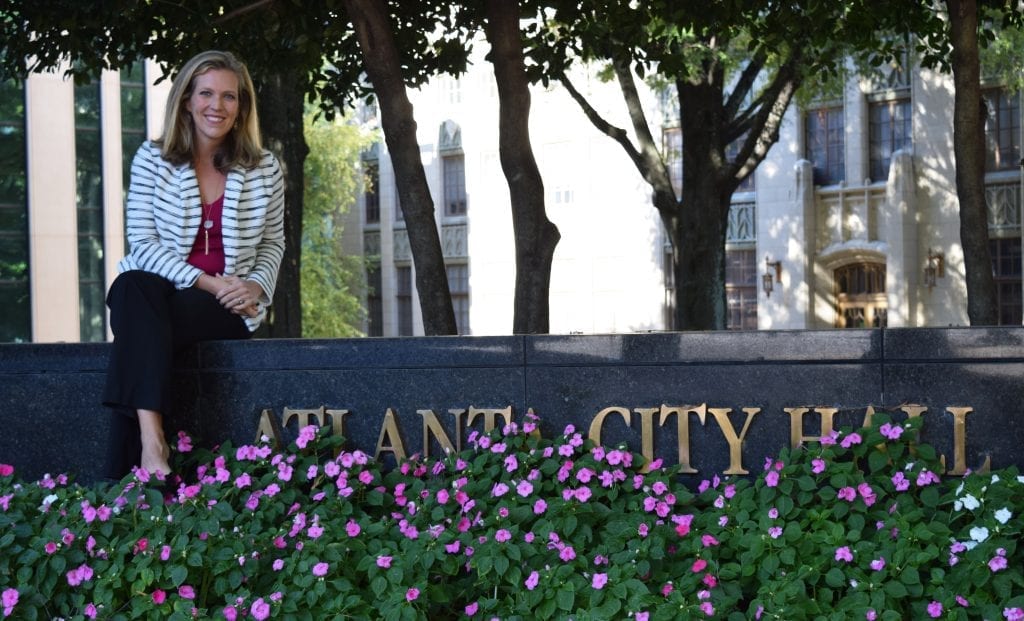
Laura Bracci (MPH, '08) is a grassroots advocacy specialist at the American Heart Association, working to advance health policy and create local connections.

A team led by a professor at the School of Public Health at Georgia State University has developed guidelines designed […]


Raising the cost of cigarettes has been proven to reduce their consumption. While tax increases have been the traditional vehicle […]

A team of child welfare experts from the School of Public Health at Georgia State University and the Georgia Center […]

ATLANTA—A team of child welfare experts from the School of Public Health at Georgia State University and the Georgia Center for Child Advocacy has won a five-year, $2 million federal grant to provide higher quality mental health services to child victims of commercial sex trafficking.
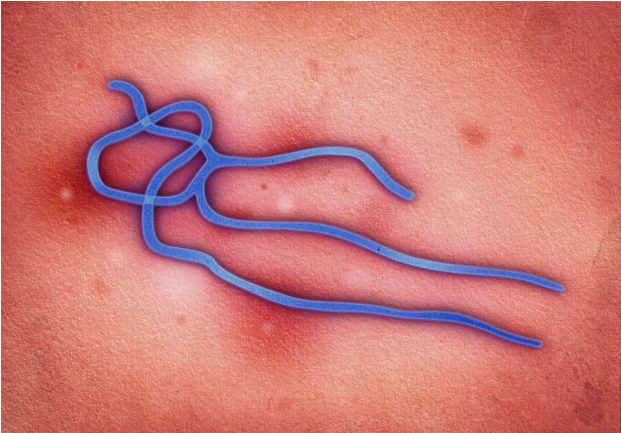
A strict, detailed removal process for personal protective equipment offers adequate protection for health care providers against dangerous viruses like […]
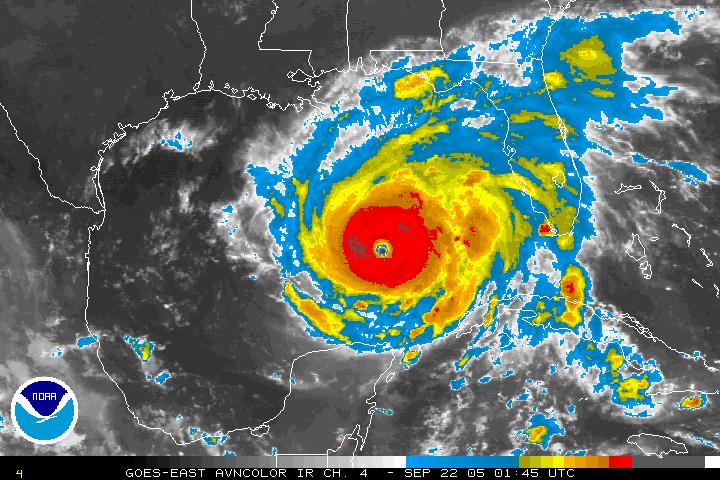
A researcher at the School of Public Health at Georgia State University has won a $132,000 grant from the National Science Foundation […]
Board of Advisors member Frank Strickland has donated $50,000 for the creation of the Dean’s Scholars Fund to support advancement […]

Roby Greenwald, an environmental health researcher, studies how air pollution affects the health of people who are physically active outdoors.
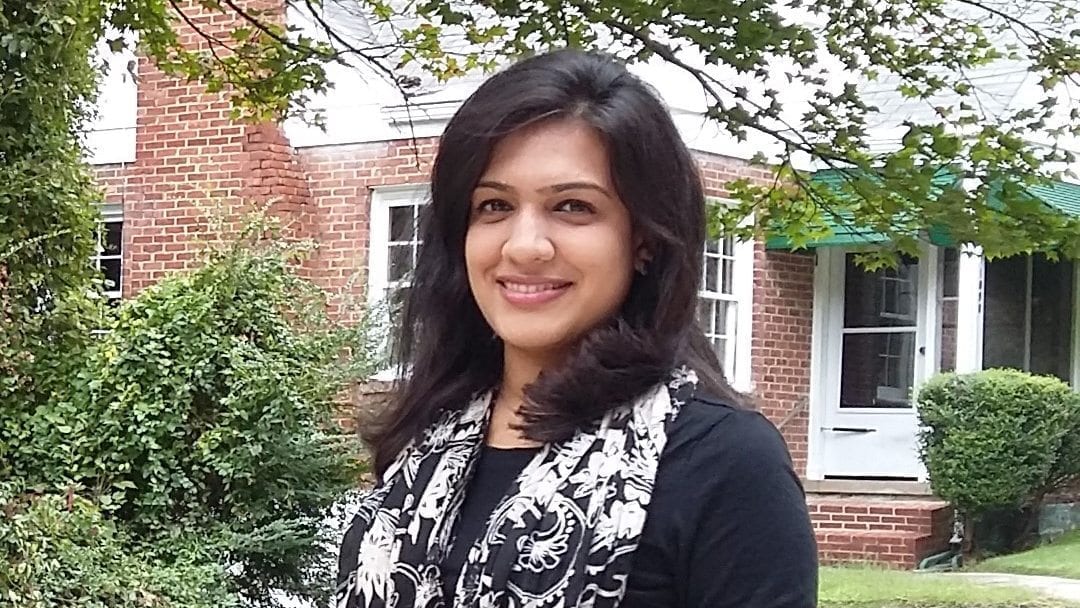
A graduate student at the School of Public Health at Georgia State University has received an international fellowship from the […]

Dr. Betty Lai, assistant professor of epidemiology and biostatistics at the School of Public Health, and Dr. Ann-Margaret Esnard, professor of public management and policy at the Andrew Young School of Policy Studies, will use the $293,000 grant to examine how 400 Texas public schools recovered after Hurricane Ike in 2008.
Six new faculty members have joined the School of Public Health for the Fall 2016 semester. Their research interests reflect […]

Allowing nurse practitioners to provide primary care without restriction could improve access to mammograms and increase breast cancer screening rates among […]

The Center for Leadership in Disability (CLD) at Georgia State University has won a federal grant to study the relationship […]
The Center for Leadership in Disability (CLD) at Georgia State University has won a federal grant to study the relationship […]
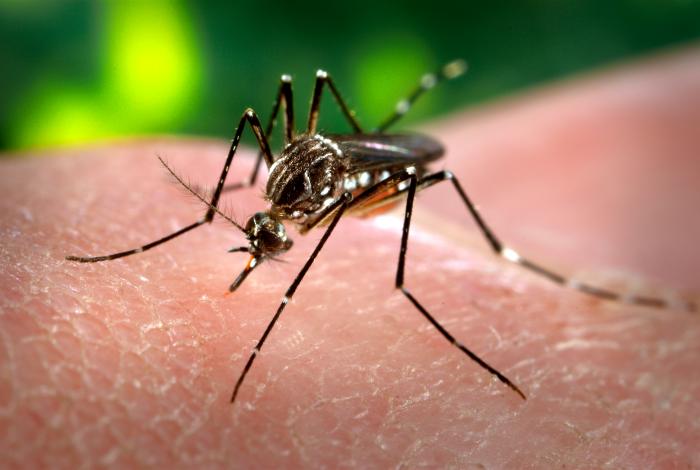
When insight into the impact of an emerging infectious disease is limited, using statistical equations known as phenomenological models can […]
Users of both electronic nicotine delivery systems (ENDS) and cigarettes may be more intent on quitting tobacco, but that intention […]

The Council on Education for Public Health (CEPH) Board of Councilors has accredited the School of Public Health at Georgia […]

Dr. Monica Swahn, a professor of Epidemiology & Biostatistics at the School of Public Health at Georgia State University, has […]

Non-Hispanic blacks are almost twice as likely as non-Hispanic whites to be diagnosed with schizophrenia, but they’re significantly less likely […]

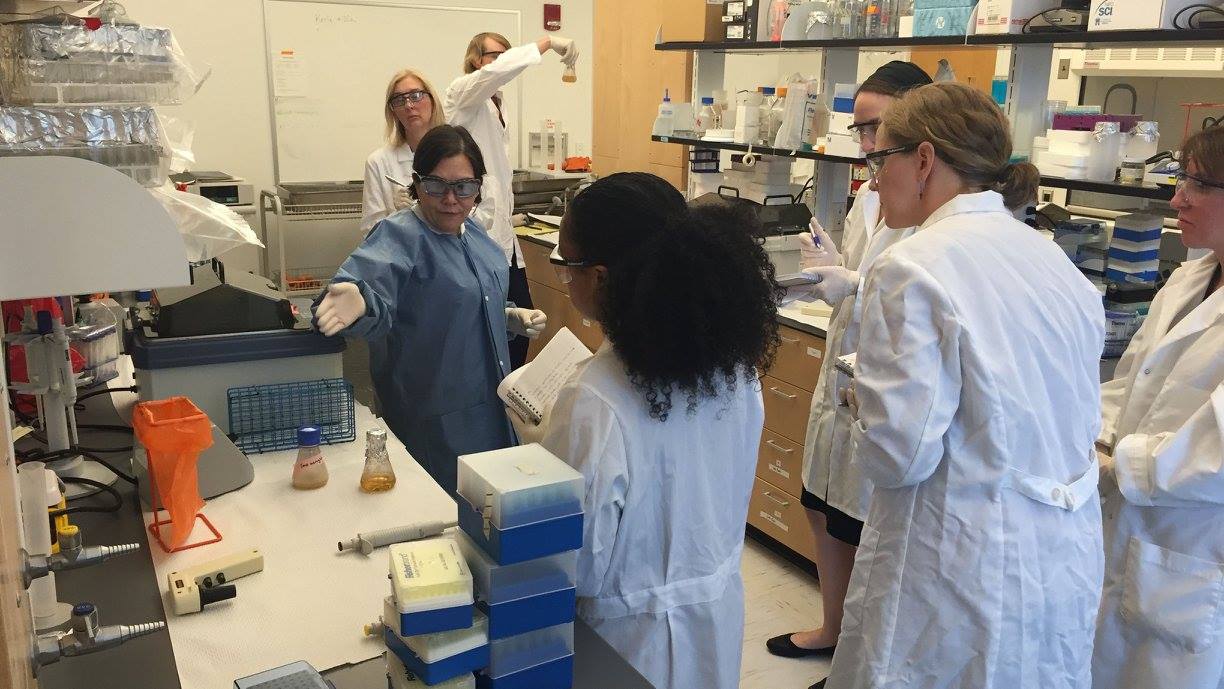
Georgia State University will offer a new bachelor of science degree in public health with an emphasis on urban and […]
Most smokers who have tried electronic cigarettes have rejected them as less satisfying than regular cigarettes, reducing their potential to […]

There are 3,374 homeless and runaway youth in shelters, on the streets or in other precarious housing situations in the Atlanta metro area, according to the results of a project by Georgia State University and its partners to count and assess the area’s homeless youth.
Dr. Terry Pechacek, professor of Health Management and Policy at the School of Public Health at Georgia State University, has […]
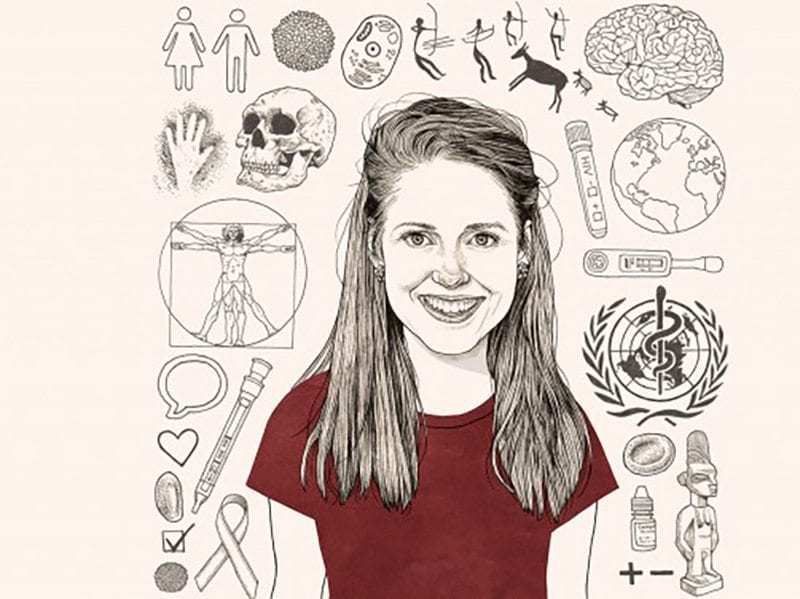

The School of Public Health at Georgia State University has welcomed 16 new members into the Gamma Upsilon Chapter of […]

The longer a person smokes marijuana or cigarettes, the more likely they are to experience metabolic disorders that increase the […]
Georgia State University will fund eight faculty proposals as part of its Next Generation faculty program, a successor to the Second […]

Social media is an effective tool for HIV education and prevention programs, according to research from the School of Public […]

MPH graduate Satvinder “Pearly” Dhingra has created an app that allows people to track their health data and connect with networks of scientists and researchers.

Residents of small, rural and economically depressed communities may be at risk of contracting gastrointestinal illnesses from their water sources, […]
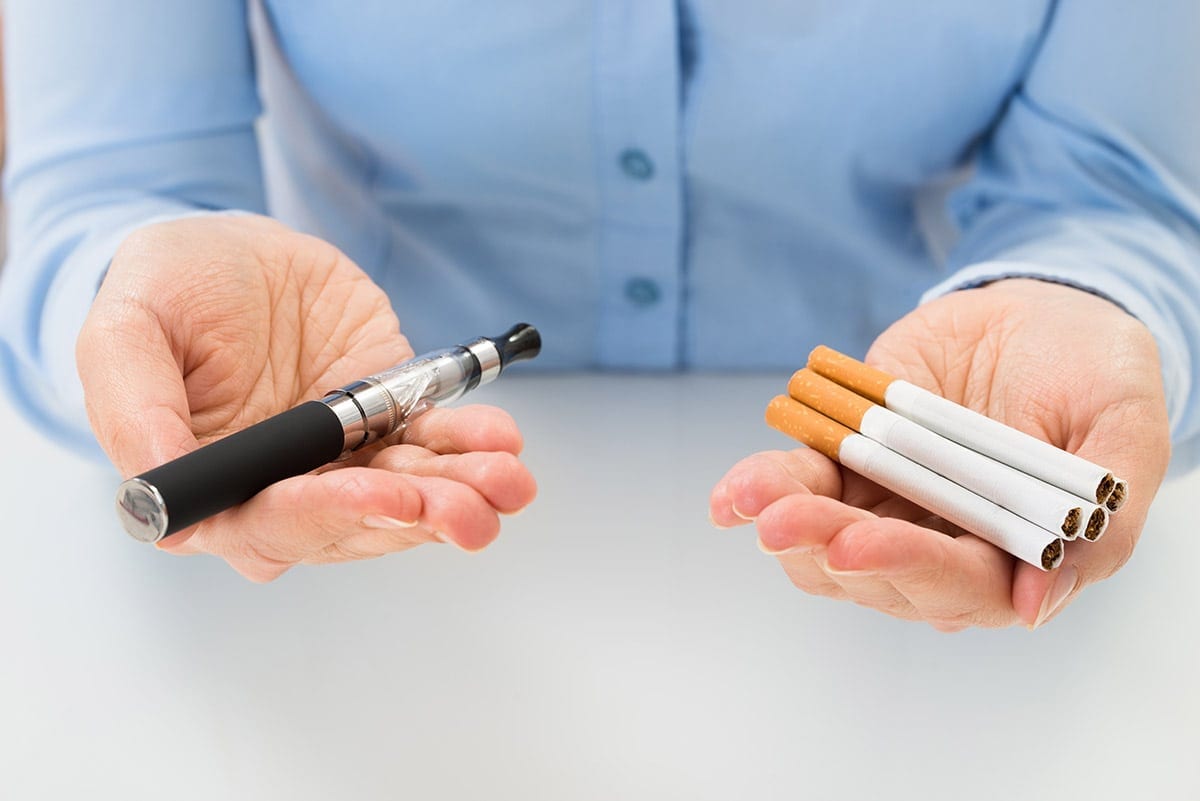
E-cigarettes are smoking hot. They are the most popular nicotine-delivery products used by kids and the majority of adult smokers have tried them.

Increasing health care providers’ level of concern about prescription drug abuse in their communities may be an effective public health […]

The School of Public Health at Georgia State University has received a grant of more than $867,000 from Pfizer Inc. to […]


Erdenekhuu “Egi” Nansalmaa (MPH, '11) is working to heal Mongolia's health care system.

Dr. Lisa Casanova, an assistant professor of Environmental Health at the School of Public Health at Georgia State University, will […]

A team of researchers at the School of Public Health has been focused on the task of developing an Urban Health Index, with the support of funds from the World Health Organization’s Kobe Centre in Japan.

The School of Public Health at Georgia State University has agreed to help the Fulton County Department of Health and […]

Ashton Potter Wright (MPH ’10) has set out to improve the health of residents, as well as the economic health of local food growers, in Central Kentucky.

The School of Public Health at Georgia State University has received nearly $400,000 in grant funds to support a three-year […]

Researchers at the School of Public Health at Georgia State University have received a $300,000 grant from the National Institute […]

The Georgia State University School of Public Health has received a four-year grant from the Agency for Healthcare Research and […]

ATLANTA—In what is the largest grant in Georgia State University history, the university’s School of Public Health and its partners […]