
Building Healthier Futures at Every Age
Building Healthier Futures at Every Age
By Sam Fahmy
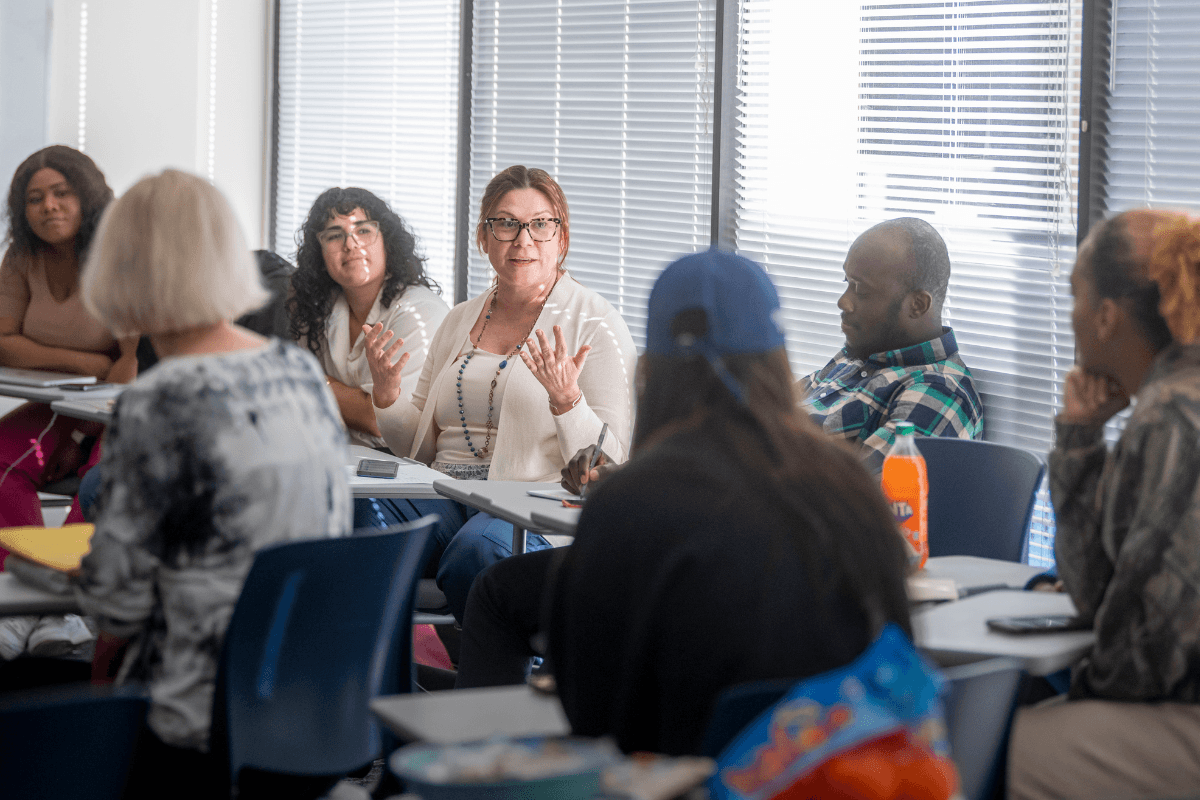
The School of Public Health's commitment to improving health across the lifespan is reflected in its teaching, research and community engagement. Launched in 2021, its Maternal and Child Health Certificate program empowers students to drive meaningful improvements in the health and wellbeing of women, families and children. In addition to being open to public health students, the program enrolls students in fields as diverse as nursing, nutrition, pediatrics, psychology and social work, among several others.
To date, 35 students have completed the program, which combines core public health knowledge in areas such as health promotion and epidemiology with evidence-based strategies for improving the health of women and children. Like many School of Public Health programs, it leverages the school’s location in the heart of Atlanta and its community partnerships to provide students with real-world learning experiences.
“Each year we co-host a maternal and child health policy workshop where students work with community organizations to develop talking points to educate policy makers about issues that are important for health of mothers and children,” said Clinical Associate Professor Kimberley Freire, who directs the maternal and child health program. “At the end of the day, they practice in front of Georgia legislators who give them feedback that helps them become more effective communicators. We also partner with the Emory University Rollins School of Public Health on leadership training and opportunities to meet MCH leaders working in various fields.”
In addition to educating and mentoring students, School of Public Health faculty apply their expertise to the needs of local and global communities. The SafeCare® parenting program, for example, was developed by Distinguished University Professor Emeritus John Lutzker and has been shown to reduce child maltreatment by 26%. Through the work of the National SafeCare Training and Research Center, which is housed in the School of Public Health, the program reached more than 9,000 families in the past year alone.
“SafeCare shows that research-based programs can be scaled up in the real world to achieve public health impact,” said Distinguished University Professor Dan Whitaker, who along with Distinguished University Professor Shannon-Self Brown co-directs the center. “There are more than 90 fully accredited SafeCare agencies in 29 states across America, and the program has been disseminated internationally to nine countries on four continents.”
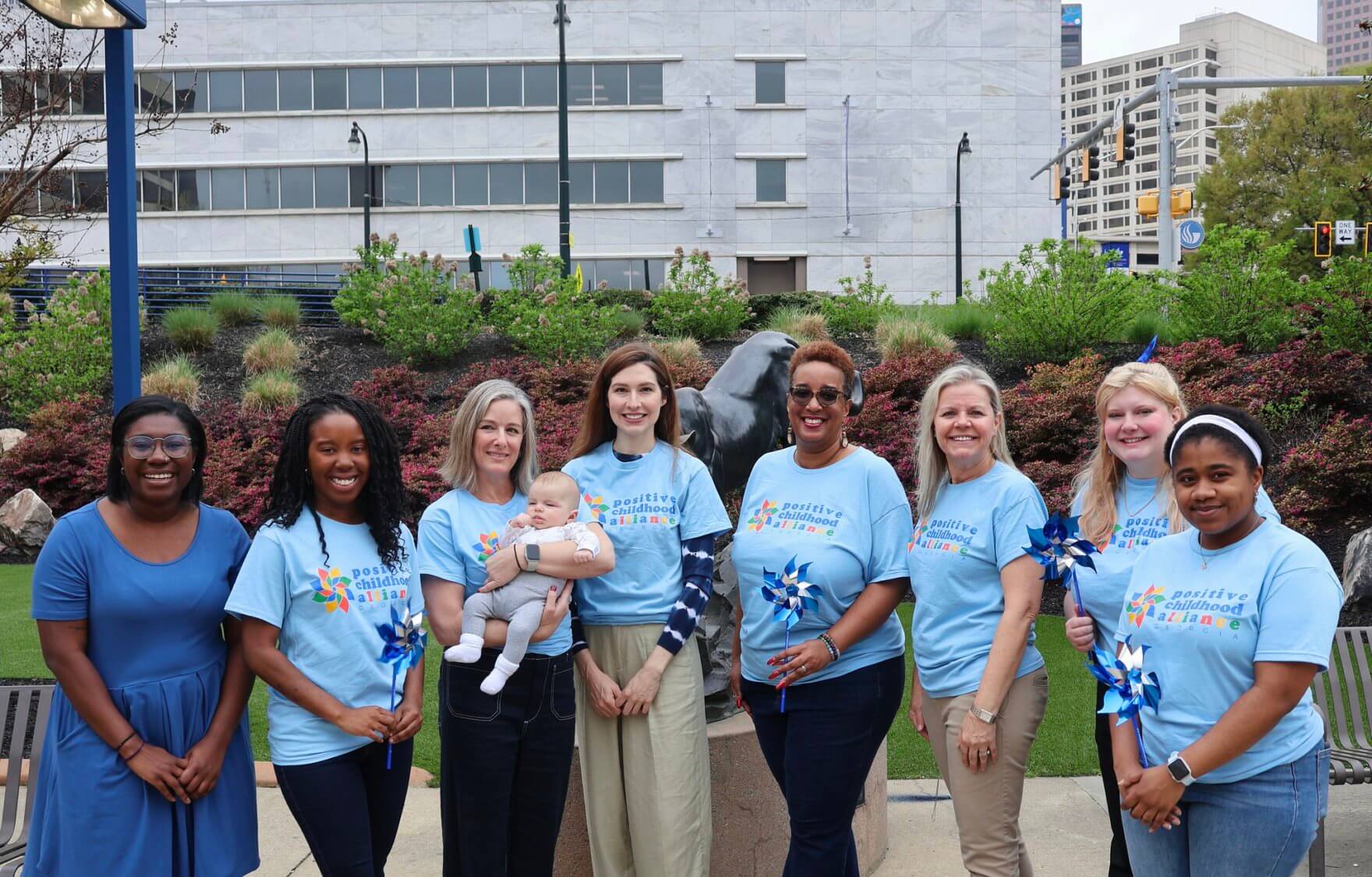
The School of Public Health also houses Positive Childhood Alliance Georgia, which works to build stronger families and a brighter future for children through programs and supports that prevent child abuse and neglect.
In 2025 alone, PCA Georgia trainings on protective factors—such as resilience, social connections and knowledge of child development—reached more than 17,000 people. The Find Help Georgia platform—which is a partnership between PCA Georgia, the Georgia Department of Early Care and Learning, and the Technical College System of Georgia—had nearly 74,000 users in 2025 who sought connections to food, housing, mental health and financial resources.
“Like many families across our state, PCA Georgia has navigated economic uncertainty and shifting resources — balancing rising needs with a shrinking budget,” said Jennifer Stein, Executive Director of PCA Georgia. “Yet one truth has remained constant: families can count on us. We’ve stayed rooted in our mission to ensure every child grows up safe, supported and thriving.”
With older adults comprising a growing share of the world’s population, the burden of diseases of aging — both on individuals and their families, as well as the health care system more broadly — is expected to rise.
A widely cited study by Associate Professor Jalayne Arias found that the median
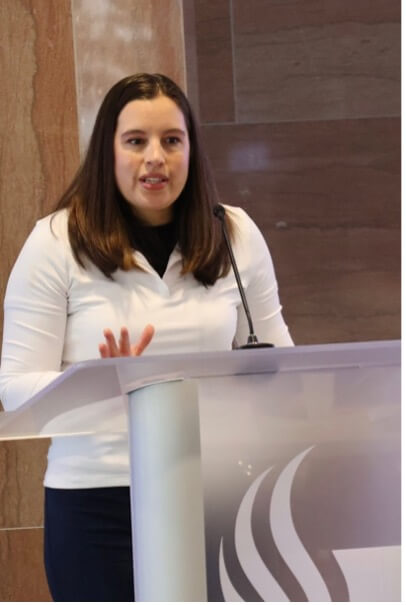
Associate Professor Jalayne Arias is leading a multi-institutional team that working to accelerate progress in the fight against Alzheimer’s disease and related dementias.
adult with dementia in residential facilities such as assisted living centers spent 97% of their monthly income on long-term care. Funded by a grant from the National Institute on Aging, Arias is leading a multi-institutional team of researchers who are working to understand and address barriers that reduce data sharing among researchers. At the project’s completion, her team will issue recommendations to minimize barriers to data sharing, with the goal of accelerating progress in the fight against Alzheimer’s disease and related dementias.
“In order to maximize the value of federally funded research, we need to make data more broadly available,” Arias said. “When done properly, data sharing can accelerate research that can lead to more effective treatment for people with dementia.”
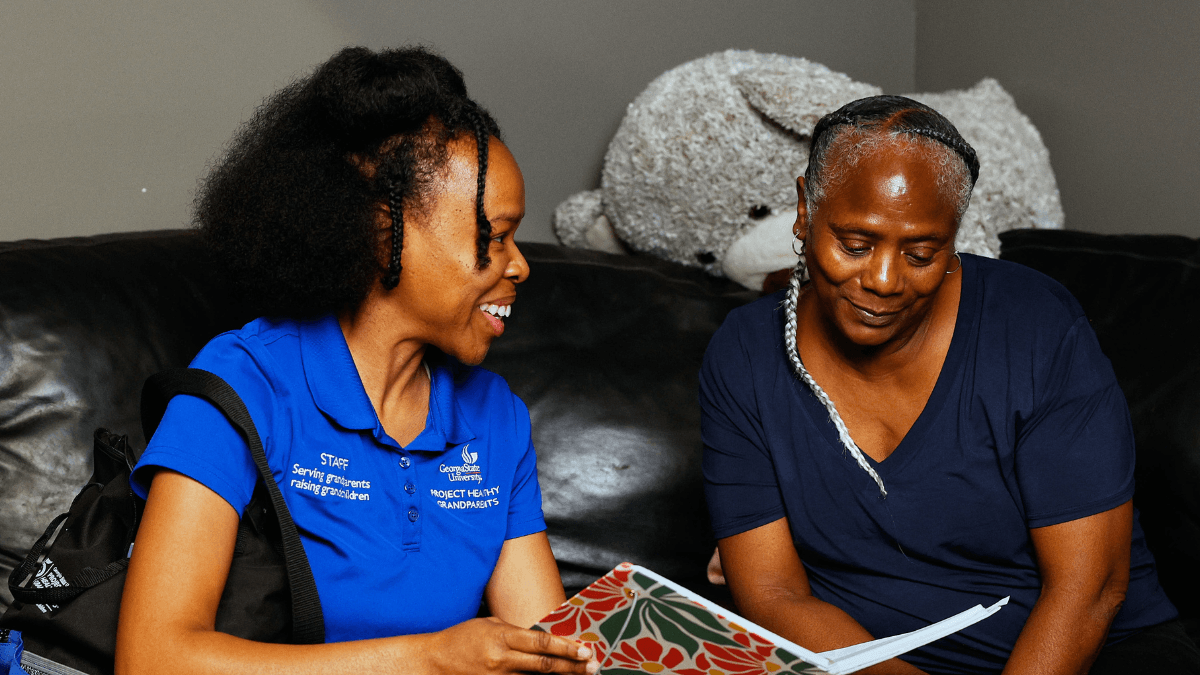
In many instances, the challenges that older adults and children face intertwine. In the state of Georgia alone, more than 93,000 grandparents are raising grandchildren, often with limited or no assistance.
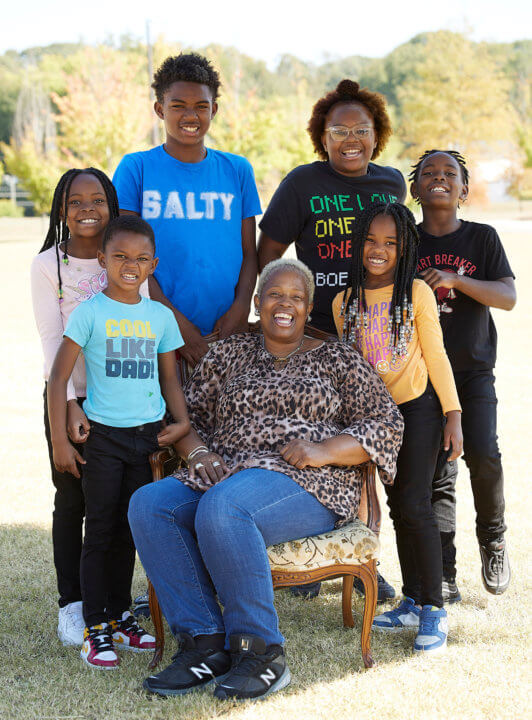
For more than 30 years, Project Healthy Grandparents has provided registered nurse visits, case management and referrals for critical needs, legal counsel and child care.
Founded more than 30 years ago and housed in the School of Public Health, Project Healthy Grandparents seeks to bridge this gap to improve the health and well-being of children and the grandparents who care for them. Each year, it provides more than 500 registered nurse visits, 370 case management sessions and more than 540 referrals for critical needs, legal counsel and child care.
Like many School of Public Health units and programs, it turns research-based knowledge into real-world impact for families.
“Supporting grandparents raising grandchildren ensures that those in greatest need receive access and support to comprehensive social, physical and mental health services,” said Patricia Lawrence, who directs Project Healthy Grandparents and is a research assistant professor in the School of Public Health. “Through our research, we are identifying best practices to help enhance the program and expand its reach.”