
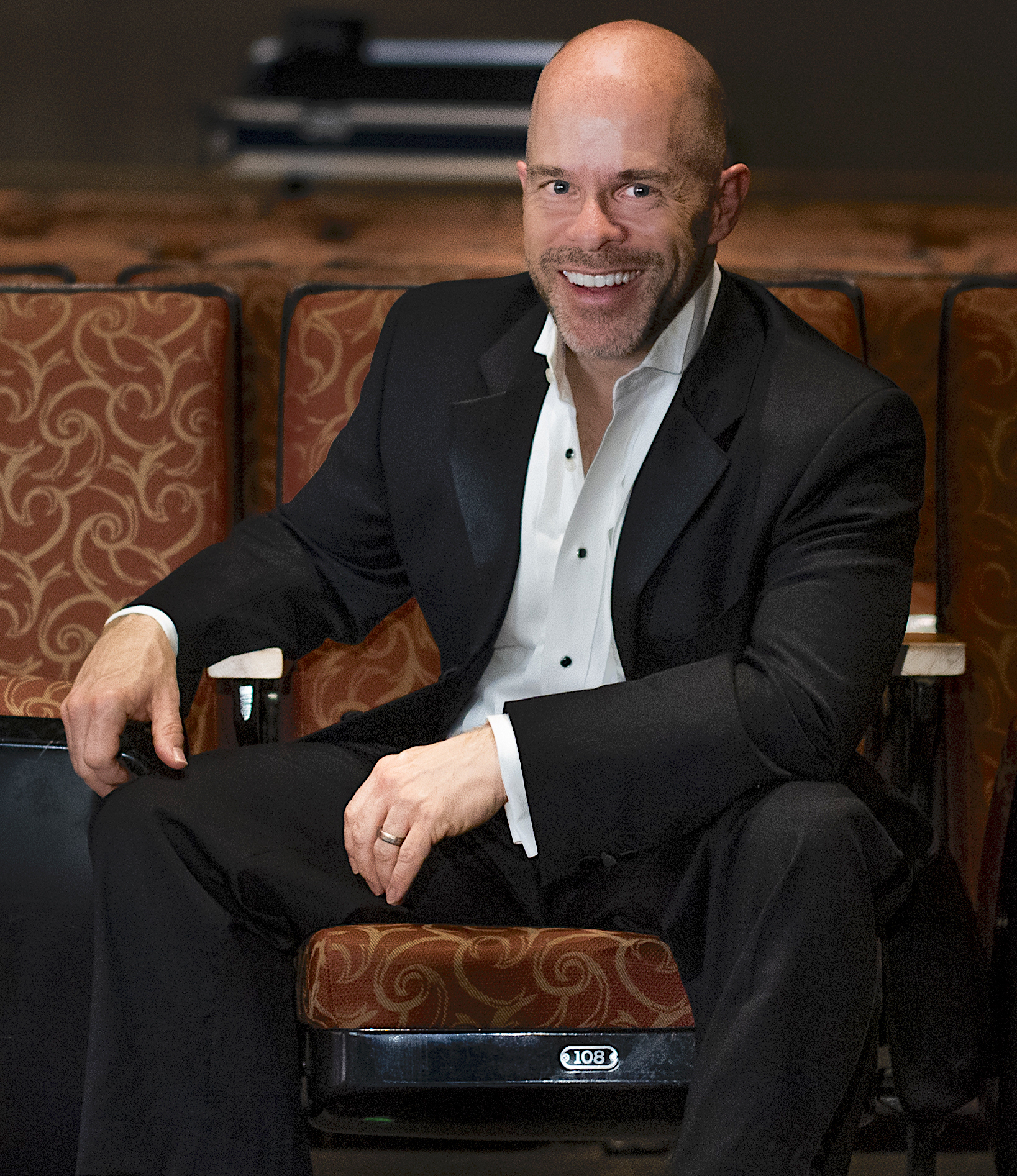
ATLANTA- The Georgia State School of Music proudly announces that Dr. Patrick Freer has been named a Distinguished University Professor, one of the University’s highest faculty honors. He is the first faculty member in the School of Music to receive this distinction.
The Distinguished University Professor designation recognizes a sustained and outstanding record of achievement in scholarship and instruction, along with continued contributions to the university’s research, teaching and service missions. Appointments are awarded for a five-year term and are limited to no more than five percent of Georgia State’s tenured faculty, underscoring the selectivity and prestige of the honor.
An internationally recognized scholar in music education, Freer’s work focuses on music learning, vocal development and the experiences of young singers. His research has been widely published and cited, shaping best practices in choral and general music education across classrooms and rehearsal spaces worldwide. In addition to his research, he has served in major editorial roles within the field, helping to guide and elevate scholarly discourse in music education.
At Georgia State, Freer serves as Professor of Music Education and is a key leader within the university’s outreach and research initiatives, including his work with the Center for Educational Partnerships in Music. His efforts connect university research with real-world practice, supporting teachers, students and community-based music programs throughout the region and beyond.
“Dr. Freer’s leadership at the national level in the field of music education, his innovative research, and his skillful guidance of undergraduate and graduate music education students make him a perfect choice for this recognition,” says Dr. Julia Bullard, director of the School of Music. “His mentoring of in-service teachers and the development of research in choral music education has had a profound impact on generations of students in Georgia and beyond.”
Freer is also widely recognized for his service to the profession, including leadership in national and international organizations and ongoing mentorship of emerging scholars and educators. His work exemplifies the impact of a scholar-educator whose influence extends well beyond the university.