Since 2023, the CLD’s Georgia Statewide Disability & Health Program, which is funded through a cooperative agreement with the Centers for Disease Control and Prevention, has partnered with the U.S. National Park Service to make Georgia’s national parks more accessible for people with disabilities. By reducing barriers to natural spaces and recreation, this work helps ensure that all Georgians can enjoy the documented health benefits of time spent outdoors.
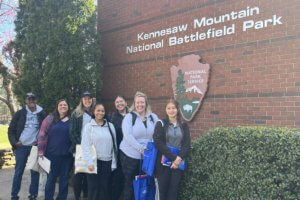
Georgia is home to 11 national parks that together welcomed nearly seven million visitors in 2023. So far, the CLD team has conducted accessibility assessments at four parks: Kennesaw Mountain National Battlefield Park, Andersonville National Historic Site, Chickamauga and Chattanooga National Military Park in Fort Oglethorpe, and Ocmulgee Mounds National Historical Park in Macon. Working with inclusive teams of people with and without disabilities, the project team has collected data to identify barriers and provided each park with a comprehensive report that includes specific recommendations, resources, and a “cost vs. impact” guide to help prioritize accessibility improvements.
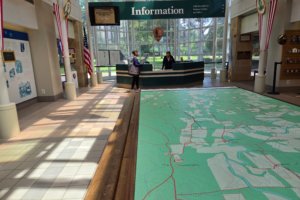
Examples of recommendations include simplifying museum and exhibit information and language to accommodate different learning styles and sensory needs; adding shade and seating; expanding accessible parking and restroom access; and offering disability training for park staff. The team has also encouraged parks to partner with disability organizations near them (e.g., Centers for Independent Living) to test improvements. While many of the recommended updates are low-cost and have the potential to have high impact, the team also provides technical assistance to parks to help them identify funding for larger projects. For example, the team recently supported Andersonville National Historic Site in applying for $75,000 to implement several recommendations.
“Long-term, I hope to see every Georgia park undergo an accessibility assessment, and I look forward to promoting our work as a national model for influencing national park accessibility priorities beyond Georgia’s borders,” says Dr. Erin Vinoski Thomas, Interim CLD Director and Principal Investigator for the Georgia Statewide Disability & Health Program. By working together, we can make our parks healthier, more inclusive spaces that truly welcome everyone.