
America’s Prescription Drug Abuse Epidemic
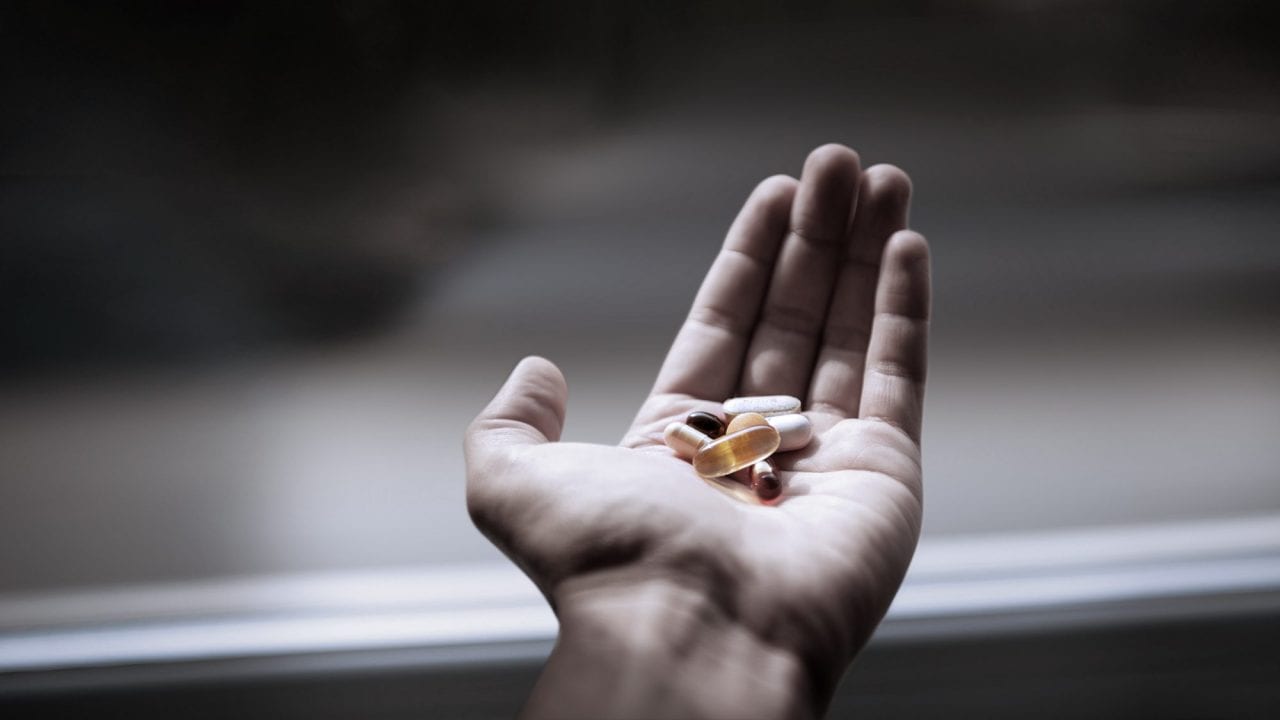
Every day, 44 people die from prescription drug overdoses. How should doctors confront America’s addiction to painkillers?
ike Krafick first started experimenting with prescription painkillers as a 10th grader in Vandergrift, Pa., a small town about an hour north of Pittsburgh. He got the drugs through friends who had sports injuries or found them in their parents’ medicine cabinets.
He used opioids sporadically over the years—sometimes mixing them with alcohol, marijuana and cocaine—but he wasn’t hooked.
Then, when he was 20, he tried heroin for the first time. It pulled him down a spiraling path of addiction to prescription opioids and then heroin, itself an opioid synthesized from morphine.
“I couldn’t always find heroin, so I’d get prescription drugs,” Krafick said. “Sometimes the prescription drugs were better than the heroin that was on the streets, so they became interchangeable to me.”
For nearly a decade he was in and out of rehab facilities, between stints in jail. He was even homeless a few times. He watched friends around him die from overdoses or suicide, or get sentenced to years in prison.
At 25, he made peace with the idea he wouldn’t live to see 30.
“I had nothing left in my life that meant anything to me,” he said. “The drugs took all that.”
He had brief periods of recovery, ranging from three to six months and once even a year, but he’d start hanging out with old friends and using drugs again.
Once, he got hurt on the job, and the workers’ compensation doctor prescribed him painkillers, even though Krafick told him he was a recovering heroin addict. It didn’t take long for him to go through three refills of Vicodin. Then he was out buying harder drugs.
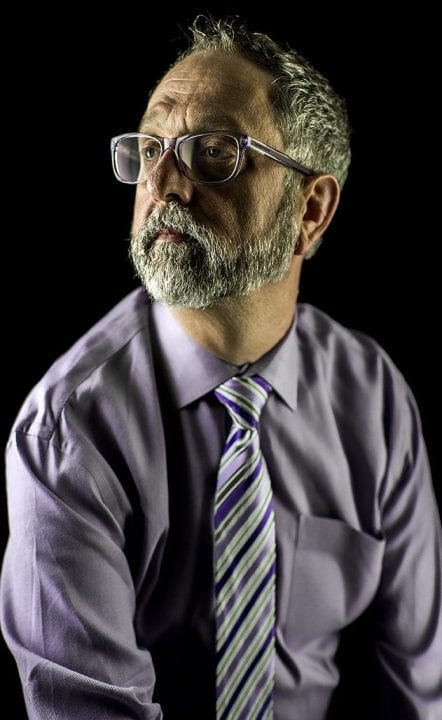
Eric Wright, professor of sociology and public health at Georgia State. Photo by Steven Thackston.
“It was the introduction I needed to go right back to where I left off,” he said.
Eric Wright, professor of sociology and public health at Georgia State. Photo by Steven Thackston.
While Krafick was struggling against relapse, Eric Wright was noticing a dramatic uptick in the number of people abusing prescription drugs in Indiana.
“We published a report in late 2007 that said we should watch this prescription drug use problem,” said Wright, professor of sociology and public health at Georgia State University. “I made the prediction that if that’s what’s happening, then heroin wouldn’t be far behind. We watched it unfold and get worse and worse.”
Long road to recovery
After Krafick’s ninth stay in a drug and alcohol residential treatment facility, he ran into an old friend.
“He was in recovery,” Krafick said. “He had a job and was really not the same guy I’d remembered. I kind of thought, ‘Well, if he could do it, so can I.’”
Krafick’s official recovery date was April 24, 2008.
Now 35, he works as a certified recovery specialist supervisor at Armstrong-Indiana-Clarion Drug & Alcohol Commission in Shelocta, Pa., helping other people struggling with addiction get their lives back on track. Maintaining his own recovery will be a lifelong process, but he has reconciled with his family and is involved in the lives of his three children.
Seventy-five percent of the people Krafick works with are using or have used prescription drugs and heroin. It’s rare to find someone who hasn’t used both, he said. Medications in this class of highly addictive opioids include hydrocodone (Vicodin), oxycodone (OxyContin and Percocet), morphine (Kadian and Avinza) and codeine.
Across the United States, opioid abuse has become a serious public health problem. About 4.5 million Americans were non-medical users of prescription pain relievers in 2013, and an estimated 289,000 were heroin users, according to the U.S. Department of Health & Human Services (HHS).
The number of unintentional overdose deaths from prescription pain medications has nearly quadrupled since 1999. Every day, 44 people die from overdoses, according to the Centers for Disease Control and Prevention. The death rate recently surpassed that from car crashes for 25-to-65-year-olds.
“The opioid epidemic is one of the most pressing public health issues in the United States today,” said Health and Human Services Secretary Sylvia Burwell in a recent press release announcing $94 million in funding to treat prescription drug abuse in 45 states, the District of Columbia and Puerto Rico.
So how did we get here?
The perfect storm
A combination of factors has created the “perfect storm” for today’s prescription drug abuse problem, said Dr. Susan Blank, founder and chief medical officer of the Atlanta Healing Center, an outpatient addiction treatment program in Norcross, Ga.
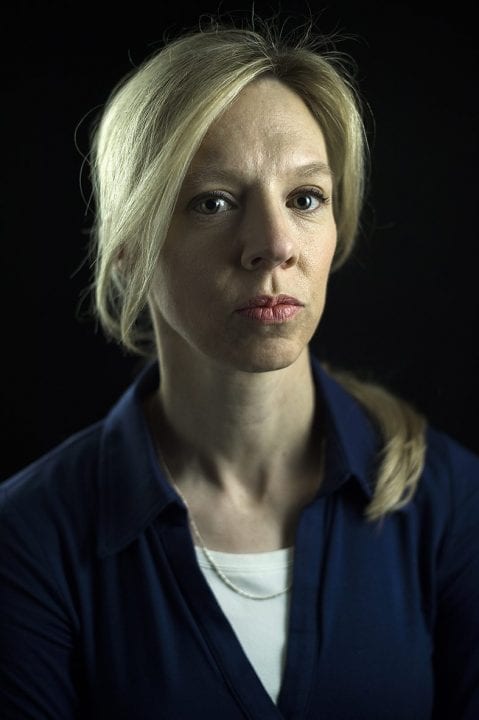
Sheryl Strasser, associate professor in the School of Public Health at Georgia State. Photo by Steven Thackston.
In late 1995, Purdue Pharma received approval from the U.S. Food and Drug Administration to sell OxyContin, a painkiller with a new time-release mechanism. Purdue started marketing the drug to doctors specializing in primary care, family practice, internal medicine and obstetrics and gynecology as a treatment for a broad range of chronic pain, from backaches to arthritis. It claimed the drug would give patients steadier 12-hour coverage, avoid withdrawal and frustrate addicts seeking a euphoric rush. Sales rose from $45 million in 1996 to nearly $3 billion by 2009, Blank said.
Purdue Pharma touted OxyContin as nearly addiction-proof, but the drug left a trail of dependence. Its marketing was found misleading enough that Purdue pleaded guilty in 2007 to a federal criminal count of misbranding the drug “with intent to defraud and mislead the public.” The company paid $635 million in penalties.
The problem was patients with addiction learned how to crush, snort or inject the drug, said Blank, who’s also president of the Georgia Society of Addiction Medicine. In 2009, Purdue was ordered to make the product tamper-proof with a deterrent.
“It now has a particular coating that makes it very difficult to crush or dissolve,” Blank said.
Another factor leading to the dramatic expansion of opioids, Wright said, is the introduction of pain as the fifth vital sign by The Joint Commission, which accredits and certifies U.S. health organizations and programs. In 2000, healthcare providers were instructed to start assessing and treating patients for pain.
“In typical patient encounters, any report of pain was then formally assessed using a scale of one to 10,” Wright said. “The doctor was responsible for actually addressing the pain, which typically in modern healing is giving a pill.”
The increase in pill mills also contributed to prescription drug access and abuse in Georgia, said Sheryl Strasser, associate professor in the School of Public Health at Georgia State. When Florida started cracking down on its pain management clinics in 2011, those operators moved to Georgia.
“Within 48 hours, these business people would get a spot off I-75 and have these huge billboards saying, ‘Got Pain?’” Strasser said. “NPR coined I-75 as the ‘Oxy Express.’”
According to the Georgia Drugs and Narcotics Agency, there were fewer than 10 pill mills in Georgia in 2010, and in less than two years, the number exploded to 90, then 140.
Fixing the problem
For the past 10 years, Wright has worked as the state epidemiologist for drugs and alcohol in Indiana, tasked with figuring out how the state could use epidemiological data to make decisions about fighting substance abuse. He believes states need a strong prescription drug monitoring program, a system that collects all dispensed prescriptions into a central database.
He recently evaluated the impact of Indiana’s program by surveying licensed prescribers and dispensers in the state to determine how concerned they were about prescription drug abuse in the community, and whether this concern had any impact on their prescribing and dispensing practices.
The majority of providers indicated they were “moderately” or “extremely” concerned about prescription drug abuse in their communities, but the level of concern varied significantly by profession, with pharmacists, physicians, nurse practitioners and physician assistants being more concerned than dentists.
“Dentists stood out as being the least concerned, and I think that’s for a lot of reasons,” Wright said. “Dentists have historically been on the outside of the healthcare system because dental insurance is funded differently than healthcare insurance. Also, most dental procedures beyond cleaning are pretty painful, so it’s not surprising that dentists might be major prescribers of pain medication.”
A third of prescribers reported having changed their prescribing practices in the last two years, and the majority said they were prescribing fewer opioids, which is promising, he said.
RELATED STORY
Health Provider Awareness Can Curb Prescription Drug Abuse, Study Shows

Increasing health care providers’ level of concern about prescription drug abuse in their communities may be an effective public health tool in fighting America’s prescription drug abuse epidemic, according to a study by researchers from the School of Public Health and the Department of Sociology at Georgia State University. Read more →
Georgia was one of the last seven states to implement a prescription drug monitoring program. Funding is determined year to year, Strasser said.
“Last year we thought it might actually be closed down, but the state legislature found some money to keep it going another year,” Wright said. “The states that have been very successful, like New York and Indiana, have invested a lot in the technology. It syncs with electronic health records, so when doctors pull up a medical record, they immediately see what they need to see to make a clinical decision at point of care.”
Blank can log into the Georgia Prescription Drug Monitoring Program, type in her patient’s name and birth date and see the doctors prescribing drugs to that patient, the quantities dispensed and how the prescription was paid for. The majority of her young adult patients, ages 18 to 30, first misused prescription drugs because they thought they were safe. Most have abused opioids, but some have also struggled with stimulants, including Ritalin, Adderall and methamphetamine, and benzodiazepines, such as Xanax, Klonopin and Ativan. Often when patients are getting into trouble, they’ll start paying out of pocket at other pharmacies, she said.
“One of the nice features about it is that I can log in, type in my Drug Enforcement Administration number and see if patients have been using my number to forge scripts,” she said. “It’s not easy to report that because law enforcement is not allowed to access this database, but I can be aware, speak with the patient and determine whether I’m going to continue to treat that patient or refer them for additional care or assessment.”
Still, the system has limitations and can be cumbersome, she said.
“Many states share data with surrounding states, but Georgia won’t do that,” Blank said. “Another problem is that only physicians and pharmacists can access it, so I can’t have my nurse, medical assistant or someone else in my practice check it.”
There’s a 30-to-60-day delay before information appears in the system, and not all dispensers are participating, leaving holes in the data, Wright added.
Strasser believes assessing the problem and creating awareness are essential to fighting prescription drug abuse. In 2011, the Council of Alcohol and Drugs hired her to conduct a needs assessment of the state of prescription drug use in Georgia. She found that many people save unused prescriptions for a long time.
“Your medicine cabinet is more deadly than an unlocked gun,” Strasser said. “One recent trend is these ‘Skittles parties’ where teens will raid their families’ medicine cabinets, put pills in a bowl and just take a handful out. People are going to the ER for things like that.”
She recently completed a three-year project called GenRx, which targeted community organizations in Georgia’s Catoosa, Early and Gwinnett counties. Many of the organizations didn’t think their community had issues with prescription drugs, but Strasser’s work with focus groups and parents revealed otherwise. She also reviewed data from the Georgia Student Health Survey, an anonymous, statewide survey on safety and health issues. One of the questions is about the use of medicines “prescribed by a doctor but not to me.
“It was eye-opening to see that there are definitely students reporting they take medicine,” she said.
Through GenRx, the communities have implemented prevention programs and strategies such as parenting classes and safe drug disposal campaigns.
Gateway to heroin
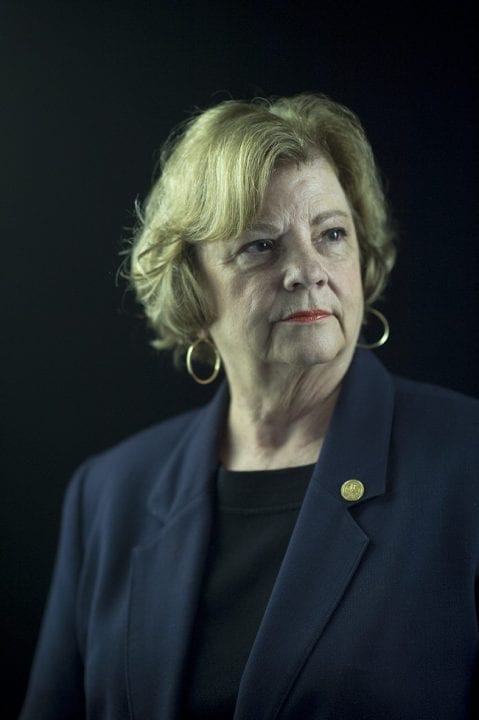
Lynne Kernaghan, a technical assistant consultant to the Georgia Health Policy Center. Photo by Steven Thackston.
Lynne Kernaghan, a technical assistant consultant to the Georgia Health Policy Center at Georgia State, is helping Krafick with a Health Resources and Services Administration grant that puts a case manager and certified recovery specialist in certain hospitals. If someone comes to the hospital for an overdose, he or she can meet with these professionals and get help transitioning directly from the emergency room to a drug treatment center. In the first nine months, about 30 people have ended up going to treatment, many for heroin addiction.
“There are so many people addicted to heroin now that they don’t have enough outpatient or inpatient beds anywhere in the country to treat these people,” Kernaghan said. “I’ve never seen anything like this. The reason they choose heroin is because it’s so cheap and so readily available. We have it coming over the north and south borders of the United States. They call them ‘waxed bags of magic.’ They’re $10.”
Blank said by the time they get to her, 90 percent of her patients who started using prescription drugs are on heroin.
“We do have a few from time to time who have not advanced to heroin,” she said. “Most of those are athletes who have been given access to prescription drugs by doctors to treat sports injuries.”
The $94 million in funding from HHS is greatly needed, but it still won’t be enough, Blank said. Black and Latino drug users, in particular, are less likely to be in treatment programs because they can’t afford them. Insurance doesn’t cover detox programs for heroin addiction because coming off the drug is not allegedly life-threatening.
“We also don’t have a lot of providers interested in working with this population, unfortunately,” she said.
But Krafick, for one, is committed to helping others struggling with prescription drug and heroin addiction.
“I think it’s up to myself and other people like me to speak out about their recovery so people know it’s something that people can recover from, and people can and do get better,” he said. “That way, people coming behind me know there is hope.”